
WhatsApp:+86 19933284353

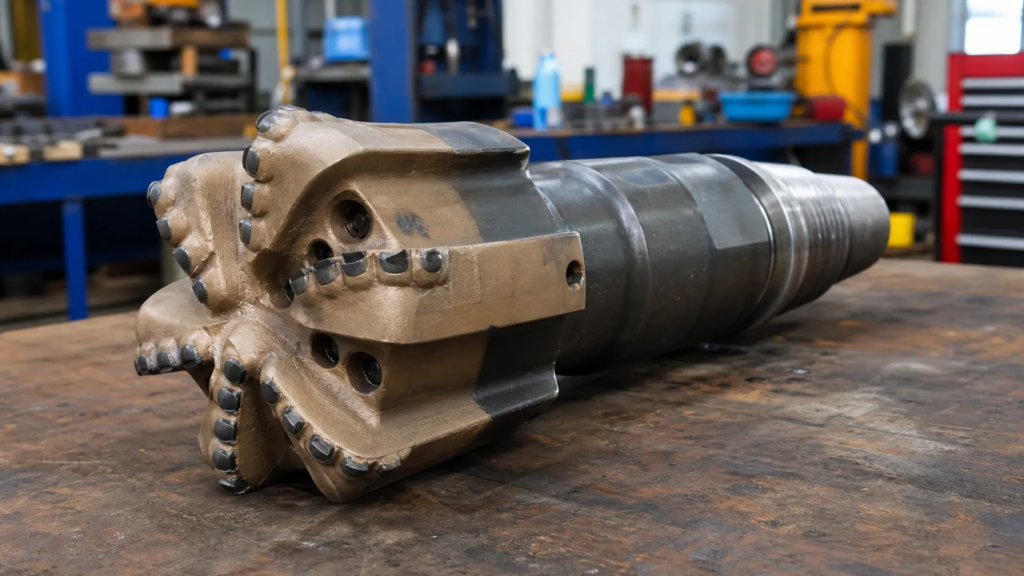
What is a PDC Hole Opener?
Definition and Core Purpose
A PDC hole opener, also known as a PDC trenchless hole reamer, is a specialized drilling tool designed to enlarge pilot holes during drilling operations. It is widely used in Horizontal Directional Drilling (HDD), oil and gas wells, water well drilling, mining, and deep foundation piling. The primary purpose of the PDC hole opener is to create smooth, accurately sized boreholes by reaming out existing pilot holes, ensuring proper hole diameter and preventing problems such as doglegs, hole shrinkage, or uneven walls.
How a PDC Hole Opener Works
The PDC hole opener operates by cutting and expanding the pilot hole using polycrystalline diamond compact (PDC) cutters arranged on its blades. As the bit rotates, its double-layer blade design simultaneously reams the hole forward and backward, efficiently enlarging the borehole diameter in one pass. Large spiral mud grooves facilitate rapid cuttings clearance and prevent bit balling, especially in sticky or soft formations. The replaceable PDC cutters provide sharp, wear-resistant cutting surfaces that deliver superior penetration rates while maintaining smooth hole walls.
Key Technical Specifications
| Feature | Description |
|---|---|
| Body Material | Integral forged AISI 4145H high-strength alloy steel |
| Heat Treatment | Quenched and tempered for high torque and impact resistance |
| Blade Design | Thickened blade root with double-layer blades for dual reaming |
| Cutter Type | Replaceable, wear-resistant PDC cutters (GT series) |
| Hydraulic System | Large-flow hollow spiral mud grooves for cuttings removal |
| Diameter Range | Custom sizes from 158 mm to 1066 mm |
| Operational Modes | Pilot hole enlargement, while-drilling reaming, back-reaming |
This combination of advanced materials and engineered design enables the PDC hole opener to perform under demanding conditions with improved efficiency and reliability compared to conventional hole enlarging tools.
Key Features and Advantages
Higher Rate of Penetration (ROP)
PDC hole openers deliver a significantly higher Rate of Penetration compared to traditional roller cone reamers. Thanks to optimized cutter placement and a double-layer blade structure, these tools improve drilling efficiency by over 30%. The advanced design allows simultaneous forward and backward reaming, enabling faster borehole enlargement and reducing total drilling time in tough formations.
Superior Durability and Extended Life
Constructed with premium AISI 4145H alloy steel and equipped with highly wear-resistant, replaceable polycrystalline diamond compact (PDC) cutters, these hole openers withstand harsh downhole conditions with minimal wear. Thickened blade roots enhance resistance to torque and impact damage, extending tool life and reducing trip frequency.
Reduced Operational Costs
The closed-loop manufacturing and refurbishment model cuts cumulative procurement costs by up to 30%. Replaceable cutters and professional PDC bit repair services optimize tool reuse without sacrificing performance. Factory-direct supply combined with durable cutter technology minimizes downtime and lowers overall drilling expenses, delivering cost-effective hole enlargement solutions aligned with high-ROP PDC trenchless hole reamers.
Main Types of PDC Hole Openers
Fixed Diameter PDC Hole Openers
Fixed diameter PDC hole openers are designed with a set size that remains constant throughout the drilling process. They feature robust cutting structures optimized for precise borehole enlargement to a predetermined diameter. These openers provide stability and consistent hole size in applications where uniformity is critical. Their fixed design minimizes mechanical complexity, ensuring durability and reliable performance in medium-hard to abrasive formations. This type is well-suited for projects requiring predictable, controlled pilot hole expansion.
Expandable PDC Hole Openers
Expandable PDC hole openers offer adjustable diameters, allowing the cutting diameter to be varied in the field. Their flexible blade or cutter configurations enable operators to enlarge hole sizes dynamically without pulling out the drill string. This adaptability improves operational efficiency by reducing non-productive time during drilling, especially in variable geological conditions. Expandable models are ideal for applications demanding versatile hole sizes or when encountering unexpected formation changes. Advanced designs incorporate high-strength alloy steel and replaceable PDC cutters, ensuring wear resistance and extended service life. For detailed design insights, refer to the PDC trenchless hole reamer technologies that highlight customizable sizing and robust construction.
Primary Applications of PDC Hole Openers
Oil and Gas Drilling Operations
PDC hole openers are essential in oil and gas drilling for pilot hole enlargement and zone reaming. Their rugged construction and wear-resistant PDC cutters stand up to demanding downhole conditions, ensuring consistent hole diameter and smooth walls. This reduces risks of wellbore instability and doglegs, which can interrupt drilling progress. By delivering high rates of penetration and durability, these tools help optimize drilling timelines and overall operational efficiency.
Geothermal and Water Well Drilling
In geothermal and water well drilling, maintaining accurate borehole sizes through reliable enlargement is critical for effective fluid circulation and stable casing installation. PDC hole openers manage various ground types, from soft clays to medium-hard shales, enabling the creation of clean, uniform holes. Their resistance to abrasive wear extends service life, reducing trip frequency and lowering operational costs common in these often remote drilling environments.
Horizontal Directional Drilling (HDD)
HDD projects benefit greatly from PDC hole openers due to their ability to expand pilot holes precisely and efficiently. The enhanced hydraulic design minimizes bit balling while maintaining hole cleanliness, crucial for long pipeline pullbacks and trenchless crossings. Their superior torque resistance and dual-reaming blade structure deliver consistent borehole quality, directly supporting faster project completion and reducing risk in complex geological formations. More details on sourcing specialized directional drilling bits can be found in our comprehensive B2B guide to industrial drilling bits.
PDC Hole Opener vs. Roller Cone Hole Opener
Cutting Mechanism Differences
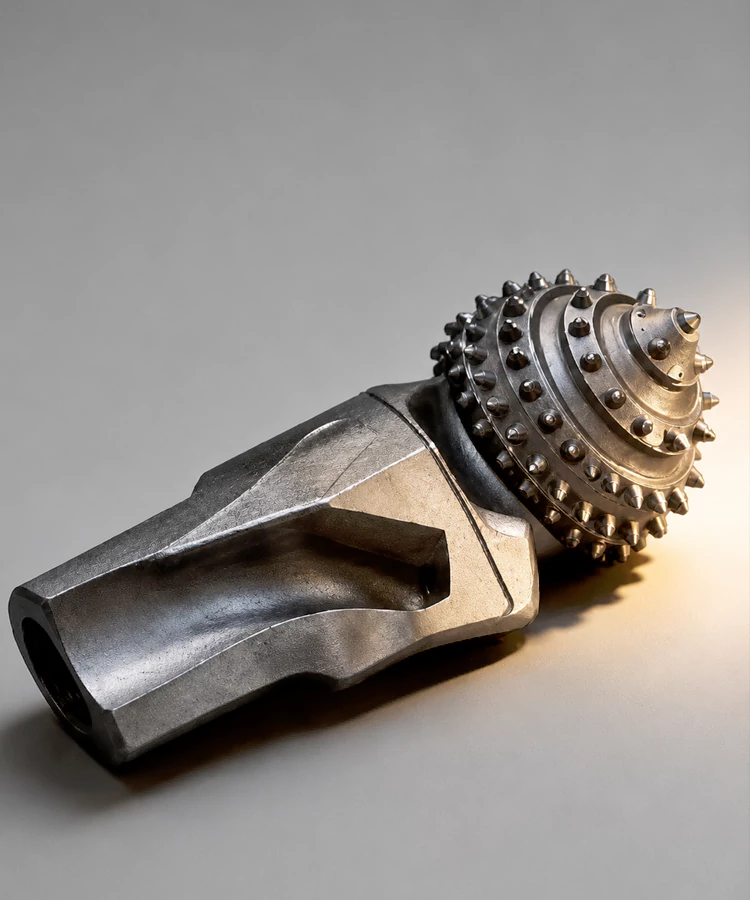
PDC hole openers use synthetic diamond cutters bonded in a fixed, shearing action designed to slice through rock efficiently. These polycrystalline diamond compact (PDC) cutters maintain sharp edges that grind and shear the formation. In contrast, roller cone hole openers rely on rotating cones with tungsten carbide inserts that crush and fracture the rock by compressive force. PDC cutters provide a more continuous cutting action, while roller cones produce a chipping or crushing effect.
Formation Hardness Suitability
PDC hole openers excel in medium-hard shales, soft clays, and mixed formations due to their abrasion resistance and smooth cutting action. They tend to struggle in extremely hard, abrasive, or highly fractured rock where roller cone bits handle impact and crushing better. Roller cone openers are often preferred for very hard or abrasive formations but wear faster in softer ground.
| Feature | PDC Hole Opener | Roller Cone Hole Opener |
|---|---|---|
| Cutting Action | Shearing with fixed diamond cutters | Crushing with rotating cones |
| Best in Formation | Medium-hard shales, soft to medium ground | Very hard, abrasive, fractured formations |
| Wear Resistance | High due to diamond cutters | Moderate, requires more frequent replacement |
Overall Efficiency and Cost Comparison
PDC hole openers offer up to 30% higher Rate of Penetration (ROP) compared to roller cones, reducing drill time and operational costs. Their longer cutter life and reduced need for tripping translate into lower cumulative expenses. Roller cone openers may have lower upfront costs but entail more frequent bit replacements and slower penetration rates. The closed-loop manufacturing and refurbishment system further cuts expenses for PDC tools, making them a cost-effective choice for many drilling operations. For comparison, see related heavy-duty tricone reamers that utilize roller cone technology.
How to Choose the Right PDC Hole Opener
Evaluating Geological Formations
Selecting the proper PDC hole opener starts with a thorough understanding of the geological conditions on site. Different formations require specific cutter types and designs:
- Soft clays and loose soil need wide-flow hydraulics and anti-balling features to prevent clogging.
- Medium-hard shales and abrasive rock call for tougher, wear-resistant PDC cutters with optimized cutter placement.
- For mixed or unpredictable formations, a balanced design with durable cutters and adaptable blade geometry is ideal.
Accurate formation evaluation ensures the hole opener performs efficiently without excessive wear or downtime.
Hole Expansion Size and Cutter Configuration
Determine the target hole diameter based on project specifications and drill string capabilities. Key considerations include:
| Parameter | Recommendation |
|---|---|
| Hole Diameter Range | Choose openers sized between 158 mm to 1066 mm, matching well design |
| Cutter Layout | Single-row cutters for smoother formations; double-row for harsh, abrasive conditions |
| Blade Design | Double-layer blades provide dual reaming for faster, more precise hole enlargement |
Proper cutter arrangement maximizes penetration rates while maintaining hole quality, avoiding doglegging or wall damage during expansion.
Hydraulic Design and Nozzle Placement
Efficient hydraulic flow is critical to cuttings removal and bit cleaning in the borehole. When evaluating hole openers:
- Opt for large-flow hollow spiral mud grooves to reduce bit balling and keep cutters clean.
- Strategic nozzle placement supports effective flushing of cuttings, enhancing performance in sticky or muddy formations.
- Customized hydraulic layouts tailored to specific drilling rigs and fluid systems optimize both ROP and hole integrity.
Balancing hydraulic design with cutter layout delivers increased run life, better hole quality, and overall drilling cost savings through reduced trip time.
For ongoing tool maintenance and cutter replacement strategies that extend hole opener service life, consider exploring our professional PDC bit repair and cutter replacement services.