
WhatsApp:+86 19933284353

In heavy industrial drilling sectors—including petroleum extraction, Horizontal Directional Drilling (HDD), and deep geothermal exploration—the drill bit is the single most critical factor determining the Rate of Penetration (ROP) and overall project economics. For procurement managers and engineering directors, choosing a drilling tool vendor requires balancing initial Capital Expenditure (CapEx) against the long-term Total Cost of Ownership (TCO).
Core Product Architecture and Applications
1. PDC Bits (Steel Body Series)
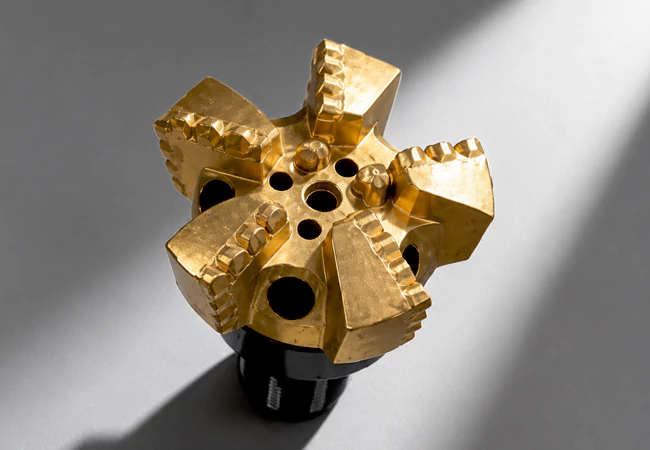
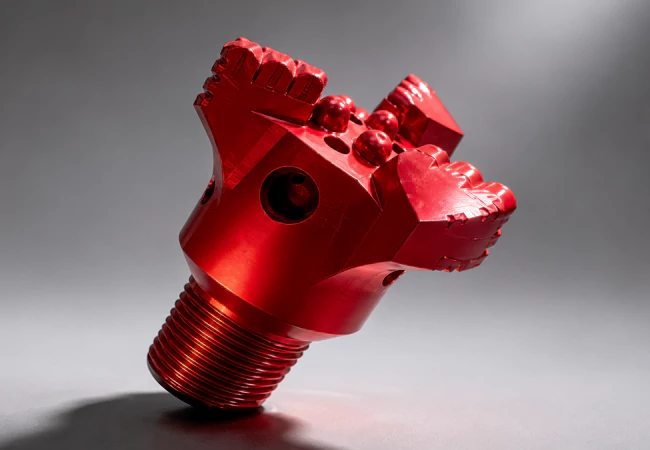
- Overlay Welded Steel Body PDC Bit: Features a spherical tungsten carbide overlay fusion-welded onto the blade faces, gauge regions, and flow channels. With a thickness of 2.0–3.5 mm and a surface hardness of HRC 58–65, it provides matrix-like erosion defense while maintaining the high toughness of the steel core.
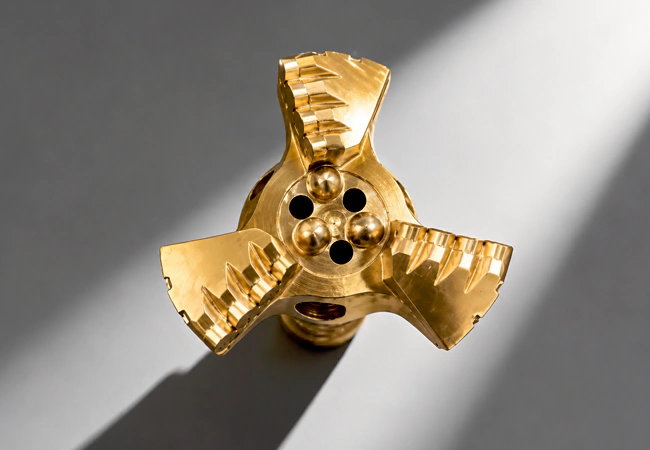
- Standard Steel Body PDC Bit: Precision-machined from high-strength alloy steel substrates. Configured with premium PDC cutters (such as 1308, 1313, and 1613 sizes) to optimize shearing efficiency in soft-to-medium strata.
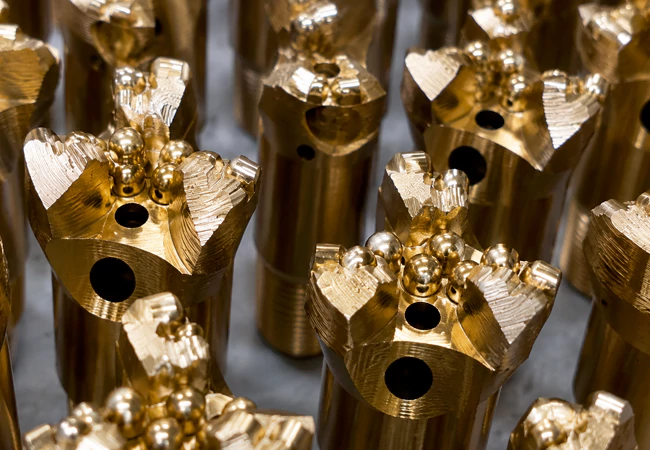
2. Tricone Bits (Tungsten Carbide Insert – TCI)
Engineered for complex, highly variable, and hard rock strata. Premium TCI bits integrate a sophisticated sliding bearing system and high-temperature floating nitrile rubber seals. They fully comply with global API standards and cover standard IADC codes (e.g., IADC 437, 517, 537, 617, 637).
3. Heavy-Duty Hole Reamers (PDC & Tricone Type)
Machined out of premium 4145H high-strength alloy steel, these structural components facilitate large-diameter pilot hole enlargement (ranging from 6-1/4″ to 42″) in pipeline pullback and trenchless utility crossings, effectively eliminating bore ledges and preventing borehole shrinkage.
Product Technical & Application Comparison Table
| Product Type | Target Formations | Key Material / Hardness Specs | Core Engineering Advantage | Standard Compliance |
| Overlay Welded PDC Bit | Highly abrasive quartz sandstone, gravel interbeds, and weathered gravel. | 2.0–3.5 mm tungsten carbide overlay; HRC 58–65 surface hardness. | Matrix-like erosion defense; prevents borehole shrinkage across long abrasive intervals. | Custom engineering tailored to exact site geology. |
| Standard Steel Body PDC Bit | Soft-to-medium formations (shale, limestone, mudstone, loess). | High-strength alloy steel substrate; premium 1308 / 1313 / 1613 PDC cutters. | Maximizes Rate of Penetration (ROP); precise shear action with customized cutter layouts. | Standard API connections and custom thread profiles. |
| TCI Tricone Bit | Hard shale, anhydrite, limestone, chert, and dolomite interbeds. | Premium Tungsten Carbide Inserts (TCI); high-temp nitrile rubber seals. | Superior impact resistance; sliding bearing system to handle high downhole load capacities. | Full compliance with IADC codes 437/517/537/617/637. |
| Heavy-Duty Hole Reamer | Trenchless HDD utility crossings, directional wells, and pilot hole expanding. | Premium 4145H high-strength alloy steel; diameter range 6-1/4″ to 42″. | Eliminates bore ledges during pipeline pullback; boosts expanding efficiency by over 30%. | Universal thread compatibility (REG, IF, NC connections). |
FAQ: Industrial Drilling Bit Procurement
Q1: How do I select the right IADC code tricone bit for specific geological formations? A: The three digits of the IADC code represent the cutting structure series, formation hardness line, and bearing/gauge protection type respectively. For instance, IADC 517 is designed for medium-hard formations with high compressive strength (like hard shales and limestones) and features a sealed roller bearing with gauge protection. It is highly recommended to share a detailed geological report with the factory before ordering.
Q2: What is the main difference between an overlay welded steel body PDC bit and a standard steel body bit? A: The primary difference lies in the surface wear protection. Overlay welded bits feature an extra 2.0–3.5 mm tungsten carbide layer rated at HRC 58-65, specifically engineered for highly abrasive quartz sandstone or interbedded gravel. Standard steel body bits focus more on maximizing the Rate of Penetration (ROP) in conventional, non-abrasive soft formations.
Q3: Are your drill bit connections fully compatible with international standard drill pipes? A: Yes. All drill bits are manufactured strictly in accordance with API (American Petroleum Institute) standards. They support standard REG (Regular), IF (Internal Flush), and NC (Numbered Connection) threads, ensuring a seamless, leak-free connection with your existing drill string configuration without requiring extra adapters.