
WhatsApp:+86 19933284353

How B2B Buyers Perform Remote Audits for Drill Bits
While the digitalization of global supply chains makes international sourcing efficient, buying high-value heavy drilling tools requires thorough verification. When flying to a production facility is impractical, executing a standardized remote factory audit protocol is vital to mitigate procurement risks.
The 4-Step Remote Audit Blueprint
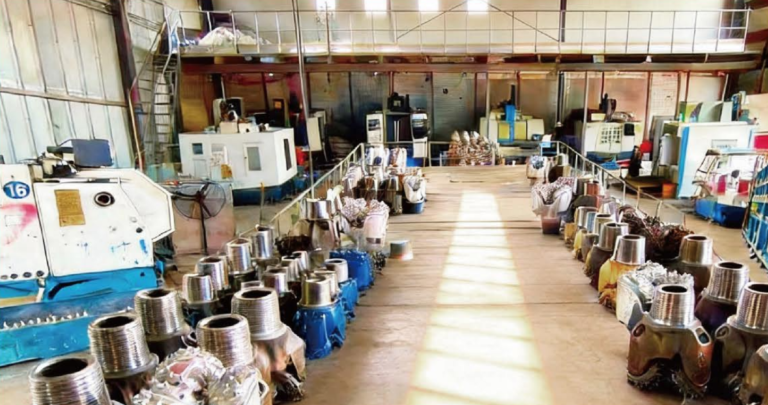
- Verify Manufacturing Infrastructure: Utilize live, high-definition video tours to inspect the factory floor. Check for an integrated, full-scale production line including multi-axis CNC machining centers, automated heat-treatment furnaces, robotic hardfacing stations, and internal Non-Destructive Testing (NDT) rooms. Source factories with complete in-house capabilities consistently outperform assembly shops in quality control and lead times.
- Execute Digital Compliance Audits: Demand verified copies of the vendor’s API certificates, ISO 9001 Quality Management credentials, and recent third-party factory inspection paperwork to ensure business validity.
- Enforce Factory Acceptance Testing (FAT): Include strict FAT clauses in your procurement agreements. You can hire international third-party inspection agencies (such as SGS or Bureau Veritas) to witness thread ring/plug gauge verifications, precision gauge diameter checks, and surface hardness testing live at the factory before approval.
- Evaluate Circular Refurbishment Capabilities: Prioritize manufacturing partners who offer comprehensive reconditioning and repair programs. The facility should feature diagnostic equipment capable of identifying micro-fractures, replacing worn PDC cutters, recalibrating matrix bodies, and reapplying tungsten carbide hardfacing to deliver low-cost tooling reusability.
FAQ: Remote Factory Audits & Supply Chains
Q1: Which testing equipment should I focus on during a live video factory audit? A: You should closely monitor three types of equipment: first, ultrasonic or magnetic particle flaw detectors used to identify internal defects in the steel core; second, certified API thread gauges used to verify pin tolerances; and third, digital Rockwell hardness testers used to confirm the HRC 58-65 specifications on the hardfaced layers. A facility utilizing all three is a reliable, industrial-grade manufacturer.
Q2: What happens if the delivered drill bits show deviations from our submitted technical drawings? A: Prior to mass production, a professional factory must provide formal 2D/3D engineering drawings for mutual sign-off. If a dimensional mismatch occurs post-delivery due to factory error, an ISO 9001-certified supplier will trace the batch record and typically arrange an expedited air-freight replacement or credit the amount toward your next order.
Q3: What is the operational lifespan of a factory-refurbished drill bit compared to a brand-new one? A: As long as the 4145H alloy steel body has no structural fatigue cracks, a factory-refurbished bit—complete with new NDT checks, freshly applied hardfacing, and premium replacement PDC cutters—can achieve 80% to 90% of the lifespan and ROP of a new tool. This provides an excellent ROI by reducing tooling expenses significantly.