
WhatsApp:+86 19933284353


If you’re looking to understand the tricone drill bit price and what really drives its cost, you’ve come to the right place. Whether you’re drilling for oil, water wells, or mining, knowing how a tricone bit works, its key components, and pricing variations can save you thousands. From comparing steel tooth to tungsten carbide insert (TCI) bits, and weighing new versus rebuilt options, this guide breaks down everything you need to make cost-effective choices without sacrificing performance. Ready to dig in and find the best value for your drilling needs? Let’s get started.
What Is a Tricone Drill Bit and How Does It Work?
Overview of Tricone Bit Mechanics
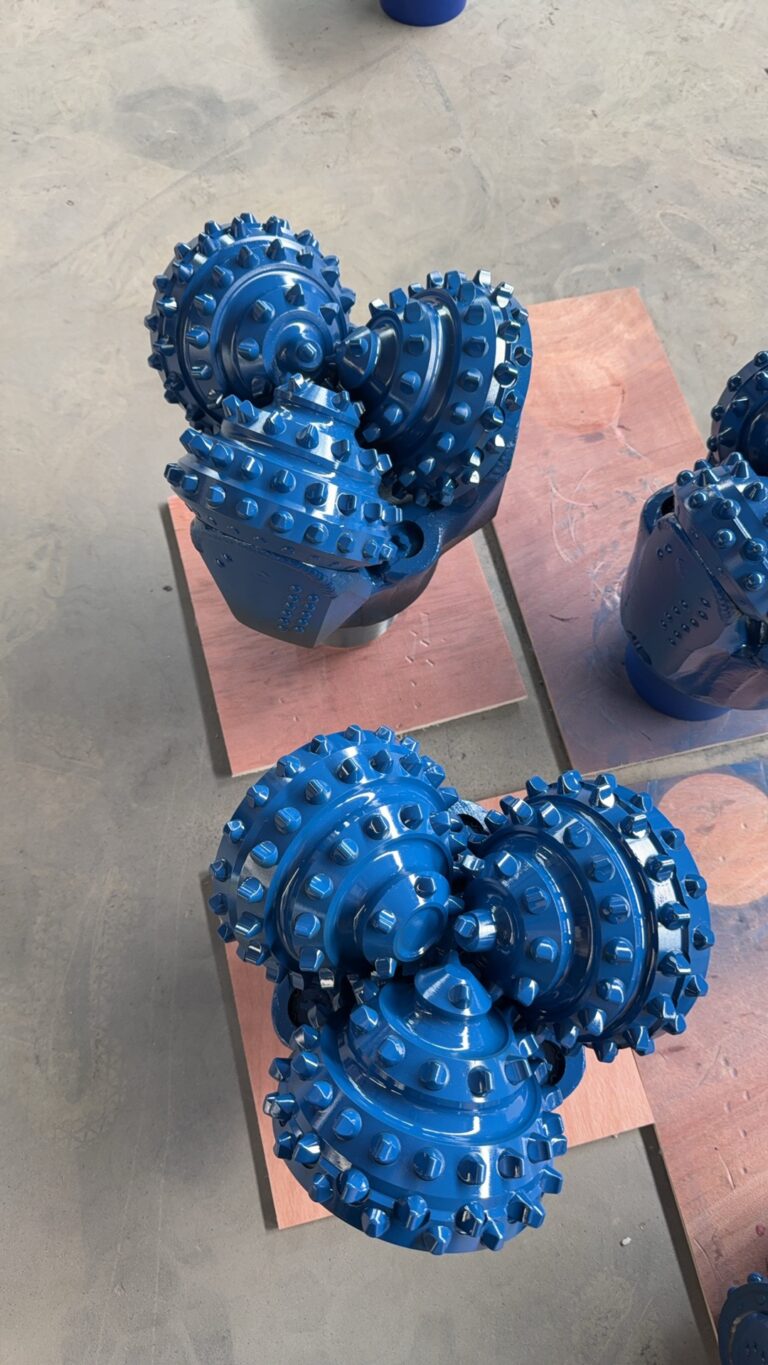
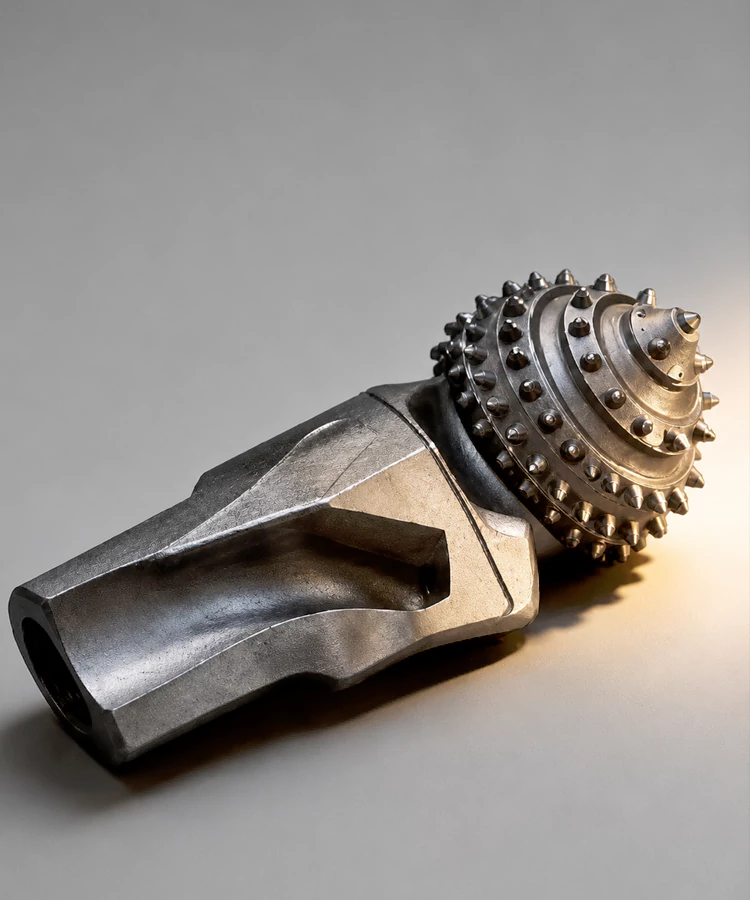
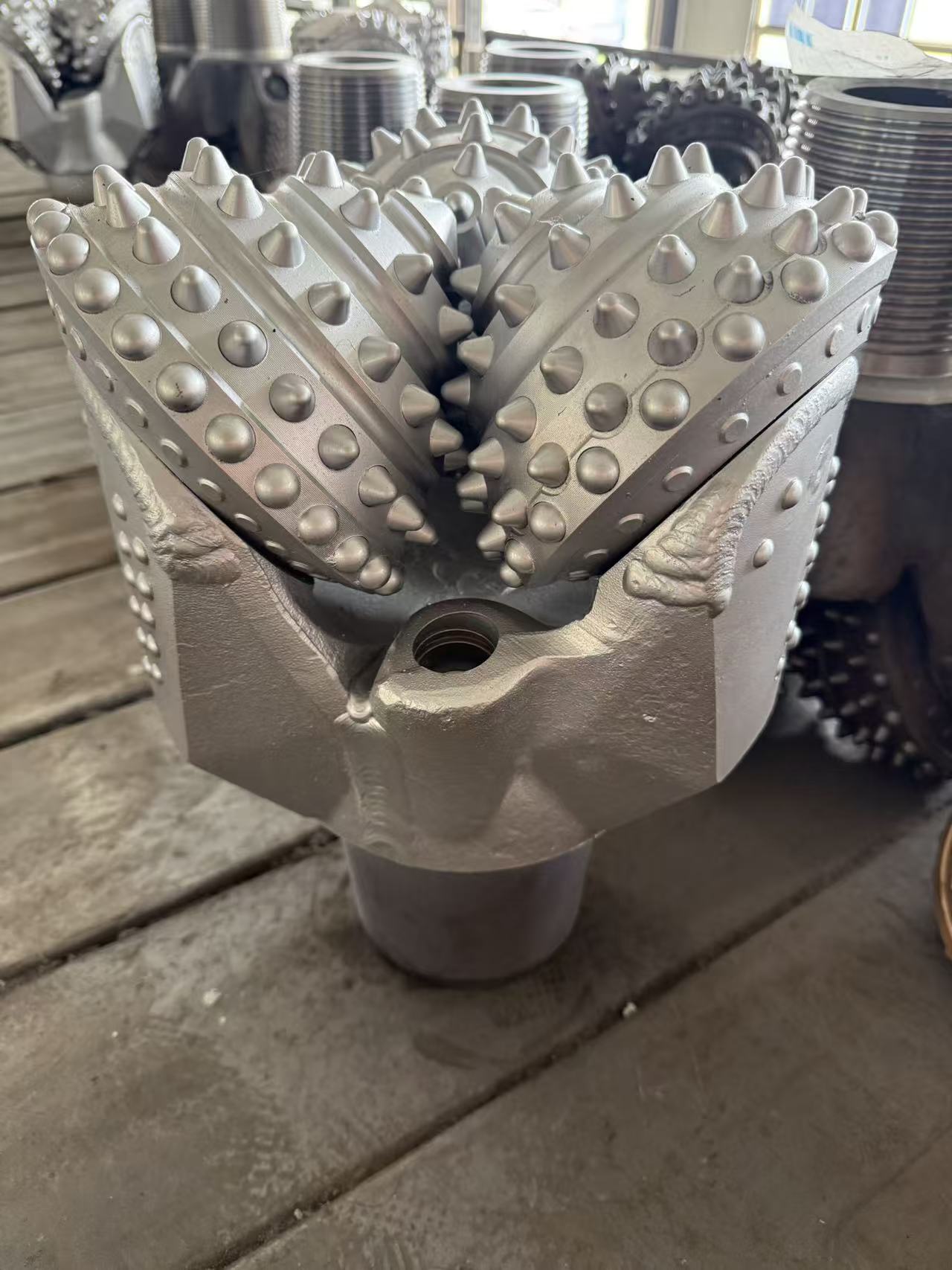
A tricone drill bit is a widely used rock drilling tool designed to efficiently break through various geological formations. It operates with three independently rotating cones, each fitted with cutting teeth or tungsten carbide inserts. As the bit rotates under weight, the cones roll over the rock surface, crushing and chipping away material to create a borehole. This rolling action reduces bit wear and improves drilling speed, making tricone bits a reliable choice for diverse drilling conditions.
Key Components and Structural Features
The main structural features of a tricone drill bit include:
| Component | Description |
|---|---|
| Cones | Three rotating heads fitted with steel teeth or TCI cutters to break rock. |
| Bearings | Open or sealed mechanisms supporting cone rotation and reducing friction. |
| Nozzles | Fluid channels that direct drilling mud to cool and clean the cutters. |
| Bit Body | Steel shell that holds cones and connects to the drill string. |
| Shank | Threaded connection for attaching the bit to the drill assembly. |
The choice between steel tooth or tungsten carbide insert (TCI) cutters and open or sealed bearings depends on formation hardness and drilling requirements. These elements work together to ensure efficient rock penetration, durability, and consistent performance under demanding drilling conditions.
Average Tricone Drill Bit Price and Cost Factors
Average Price Ranges for Common Bit Sizes
Tricone drill bit price can vary significantly depending on the size and specifications required. Common bit sizes, ranging from 6 inches to 17.5 inches, typically fall within a broad pricing bracket due to differences in materials, design, and application. Smaller bits for water well or geothermal drilling often cost less than larger bits used for oil, gas, or mining operations. Pricing is also influenced by the type of teeth and cutter technology applied. Factory-direct suppliers offering CNC-machined bits with API-certified quality ensure competitive pricing relative to market standards, often translating to a more favorable price-performance ratio.
New vs. Rebuilt Tricone Bit Pricing
New tricone bits generally command a premium price due to the fresh tooling, advanced cutter layouts, and full service life ahead. In contrast, rebuilt or refurbished bits represent a strategic cost-saving option, typically priced 20-30% lower. Refurbishment includes professional cutter replacement, tool repair, and overlay welding, extending tool life without compromising drilling efficiency. This closed-loop lifecycle management reduces upfront investment while maintaining high performance, especially when sourced from reputable manufacturers focusing on durability and wear resistance.
Key Factors Affecting Tricone Drill Bit Costs
Several core elements drive the overall tricone drill bit price:
– Material Quality: Higher-grade steel bodies and tungsten carbide inserts (TCI) increase initial cost but boost durability.
– Manufacturing Standards: API and ISO certifications ensure reliability but require precision CNC machining that impacts price.
– Cutter Configuration: Custom cutter layouts tailored to geological formations optimize bit life and penetration rate, influencing cost.
– Bearing Type: Sealed bearings increase longevity and price compared to open bearings.
– Service and Support: Factory-direct sale with refurbishment services cuts out reseller markups, offering better total value.
Understanding these factors helps align bit selection with budget and project needs while optimizing drilling efficiency. For detailed tricone bit options and cost-efficient sourcing, professional suppliers like Cangzhou Chaozuan Petroleum Equipment Co., Ltd. deliver tailored solutions combining manufacturing and refurbishment expertise. For insights into drilling bit quality and procurement, their B2B sourcing guide provides valuable resources.
Main Types of Tricone Bits and Price Variations
Steel Tooth Tricone Bits
Steel tooth tricone bits feature welded steel teeth designed for drilling softer to medium formations. They generally come at a lower upfront cost compared to tungsten carbide options. However, wear rates can be higher on harder rock, which can impact overall cost efficiency. These bits offer versatility and ease of maintenance, making them a common choice for budget-conscious projects and applications like water well drilling.
Tungsten Carbide Insert (TCI) Tricone Bits
TCI tricone bits are equipped with tungsten carbide inserts that provide superior durability and wear resistance in hard, abrasive formations. Their higher price reflects advanced materials and manufacturing processes, including precision CNC machining for custom cutter layouts. Despite the premium cost, TCI bits typically deliver longer service life and higher rate of penetration, ultimately reducing operational expenditures. CZDRILL’s TCI bits, such as the GT 537 series, combine API-certified quality with tailored engineering to ensure performance and value.
Open Bearing vs. Sealed Bearing Tricone Bits
Tricone bits are also categorized by their bearing types—open bearing or sealed bearing—which significantly affect pricing and performance. Open bearing bits are generally less expensive due to simpler construction and are suitable for softer formations with minimal abrasive conditions. In contrast, sealed bearing bits carry a higher price tag but offer better protection against debris and fluids, extending bit life in tougher drilling environments. Investing in sealed bearing technology can reduce downtime and maintenance costs, important for maximizing drilling efficiency.
For projects requiring heavy-duty reaming, CZDRILL’s tricone reamers offer specialized solutions engineered for durability and cost-effectiveness.
Application Scenarios for Tricone Drill Bits
Oil and Gas Drilling Applications
Tricone drill bits are widely used in the oil and gas industry for their durability and efficiency in penetrating various rock formations. Their robust construction and customizable cutter layouts make them suitable for drilling in hard, abrasive, and fractured formations commonly encountered in oilfields. These bits provide reliable performance and higher rates of penetration, helping reduce overall drilling time and costs in well construction projects.
Water Well and Geothermal Drilling
In water well and geothermal drilling, tricone bits offer excellent versatility and longevity. Their design allows them to efficiently cut through soft to medium-hard rock while maintaining bit integrity in harsher conditions. By using properly engineered tricone bits, operators enhance drilling speed and minimize downtime, which is crucial for sustainable water resource development and geothermal energy extraction.
Mining and Construction Projects
Mining and construction industries rely on tricone bits for their ruggedness and adaptability to diverse material hardness levels. From mineral exploration to foundation drilling, these drill bits deliver consistent penetration rates and durability in tough terrain. Customized options and factory-direct supply ensure the bits meet specific project demands, lowering operational costs and improving productivity in heavy-duty applications like shaft sinking and canyon tunneling. For enhanced project efficiency, pairing tricone bits with specialized heavy-duty roller cone hole openers is another common practice.
For reliable sourcing and refurbishment services tailored to such industrial needs, exploring trusted manufacturers with full-chain capabilities is essential. More details can be found on our services page and in-depth insights on the latest tooling solutions in our industry blog.
Tricone Bit vs. PDC Bit: Price and Cost Efficiency
Initial Cost and Price Differences
Tricone drill bits generally have a lower initial purchase price compared to PDC bits. The manufacturing process for traditional roller cone bits is well established and less costly, especially for standard steel tooth or TCI (tungsten carbide insert) models. In contrast, PDC bits—which use synthetic diamond cutters welded on steel bodies—require more advanced fabrication and materials, pushing initial costs higher.
However, newer steel body PDC bits like the CZ-F1M overlay welded model provide a cost-effective alternative with durable design, narrowing the price gap between the two types.
Drilling Efficiency and Service Life Comparison
PDC bits usually deliver higher Rate of Penetration (ROP) and longer wear life in softer to medium formations due to their sharp diamond cutters. Tricone bits excel in harder, abrasive rock or mixed formations where roller cones can better crush and break material.
| Feature | Tricone Bits | PDC Bits |
|---|---|---|
| Best Suited Formations | Hard, abrasive rock | Softer to medium rock |
| Average ROP | Moderate to high | High |
| Wear Life | Variable, may require frequent replacement | Longer service life |
| Repairability | Easy cutter replacement and refurbishment | Limited repair, often replaced |
Professional refurbishment services such as cutter replacement and overlay welding extend both bit types’ service life, enhancing cost efficiency.
Total Cost of Ownership Across Formations
While PDC bits carry a higher upfront price, they often reduce total cost per foot drilled in the right conditions by delivering faster ROP and fewer bit trips. Tricone bits offer predictable durability and easier refurbishment, which can lower ongoing operational expenses especially in challenging rock.
A closed-loop manufacturing and refurbishment model, like CZDRILL’s, helps save up to 30% in drilling costs through factory-direct pricing and tool reconditioning, benefiting both tricone and PDC bit buyers aiming to optimize drilling budgets.
For example, high-quality steel body PDC bits and premium TCI cone bit cutters can be sourced with tailored engineering to fit specific formations, balancing performance and cost effectively.
How to Choose and Buy Cost-Effective Tricone Drill Bits
Assessing Geological Hardness and Bit Specifications
Selecting the right tricone drill bit starts with understanding the hardness and type of formation you’ll encounter. Softer formations allow for steel tooth bits, while harder rock demands tungsten carbide insert (TCI) bits for durability and penetration. Key bit specifications like bearing type (open or sealed), gauge size, and cutter layout must align with your project’s geology to optimize drilling efficiency and minimize wear. Matching bit design to formation type ensures longer tool life and better rate of penetration, directly impacting your tricone drill bit price efficiency.
Evaluating New vs. Refurbished Options for Your Project
New tricone bits offer peak performance and the latest in design advancements but come at a higher initial cost. Refurbished bits provide a cost-effective alternative by restoring used bits to near-new conditions through professional cutter replacement and reconditioning services. This approach reduces the total cost of ownership by up to 30%, delivering comparable drilling performance at a fraction of new bit prices. Carefully weigh project demands against budget constraints when considering refurbished options. CZDRILL’s closed-loop refurbishment model demonstrates how rebuilt tricone bits maintain quality while cutting expenses.
Sourcing High-Quality Bits from Reliable Manufacturers
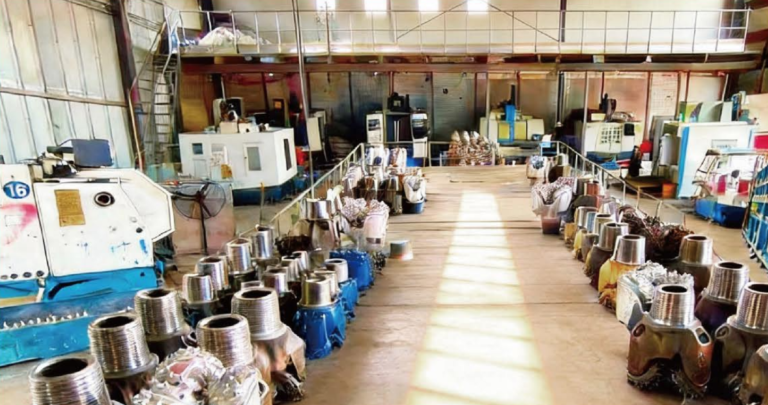
Buying factory-direct tricone bits from trusted manufacturers ensures compliance with API and ISO standards, consistent quality, and access to tailored engineering solutions. Manufacturers with integrated CNC machining capabilities and custom cutter layouts can optimize bit performance for your specific drilling needs. Direct sourcing also eliminates middlemen, lowering the overall tricone drill bit price. Partnering with companies that offer comprehensive after-sales support, including tool repair and secondary reuse services, helps maintain cost efficiency throughout your drilling projects. For detailed insights into durable manufacturing practices, explore case studies on high durability components with precision engineering and reliable OEM solutions.