WhatsApp:+86 19933284353

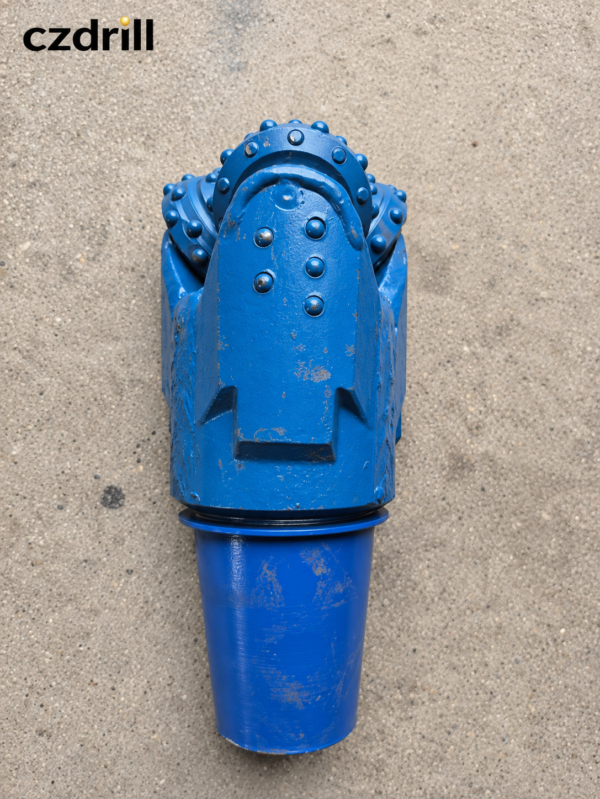
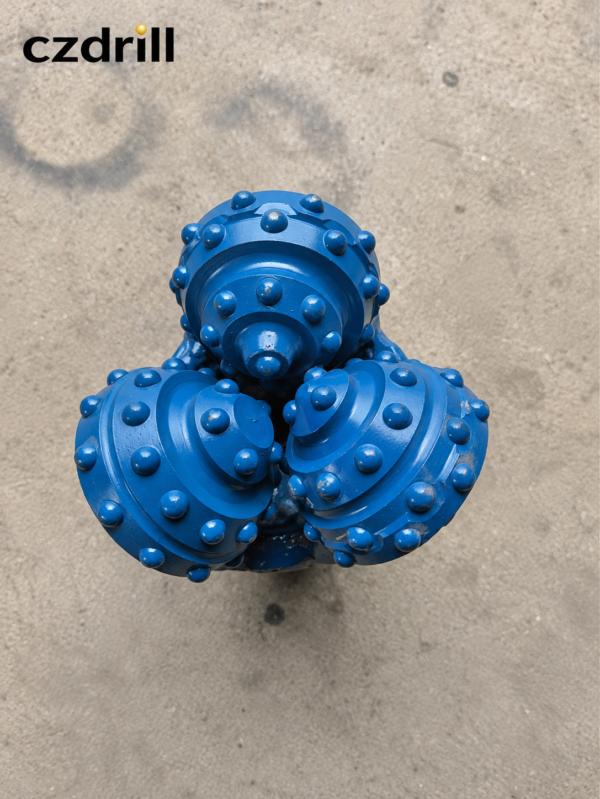
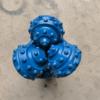
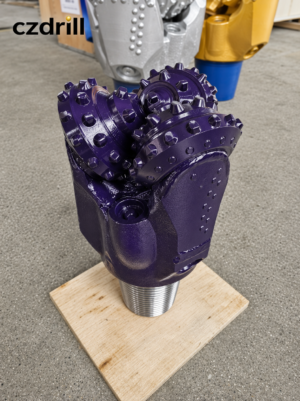
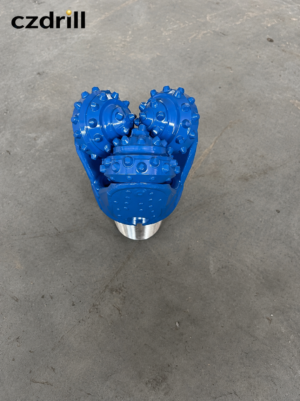
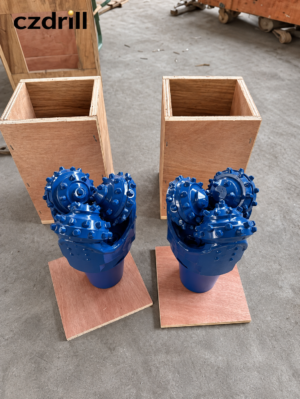
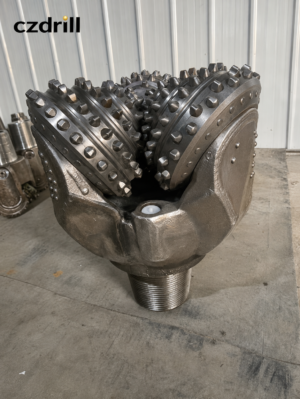
3″ Inch Tricone Bit IADC 637G Sealed Bearing
3″ (76.2 mm) IADC 637G Tricone Drill Bit | TCI Sealed Bearing
This 3 inch (76.2 mm) IADC 637G tricone drill bit is built for medium-hard to hard rock formations with high compressive strength. High-strength tungsten carbide inserts deliver excellent impact resistance and wear resistance, with strong rock-breaking performance in abrasive, high-hardness strata. The sealed journal bearing (elastomer or metal-to-metal seal optional) reduces bearing wear and supports longer single runs, while G-type gauge protection stabilizes the borehole diameter and reduces reaming. Its compact size suits small-size lightweight rotary drilling rigs, and mud circulation passages and nozzles provide effective cooling and cuttings removal. API compliant, with API REG thread available. IADC code can be customized.
Applications: small-scale water well drilling, geological exploration sampling, small-diameter mine blast holes, mini trenchless pilot holes and shallow hard-rock drilling.
What Is a 3 Inch (76.2 mm) Tricone Drill Bit?
A 3 inch tricone bit (nominal diameter 76.2 mm) is a specialized rotary cutting tool engineered to drill narrow, stable boreholes through challenging geological layers. Designed with three intermeshing roller cones mounted on high-strength bearing journals, this bit balances load distribution and downhole stability in compact drilling environments.
How three-cone rolling and crushing action breaks rock
The rock-breaking mechanism of a 76.2 mm tricone bit relies on continuous compressive fracturing and shear action:
- Point-load crushing: As the drill string rotates, each cone rolls along the bottom of the hole, focusing the rig’s downward force onto small contact points.
- Impact fracturing: The concentrated contact stresses exceed the compressive strength of the rock, micro-fracturing dense formations without requiring excessive rotational torque.
- Self-cleaning cutting matrix: Intermeshing teeth clear debris from between the cones during rotation, preventing balling and maintaining uninterrupted contact with fresh rock faces.
Why small-diameter bits suit small-size lightweight rotary rigs
Standard large-diameter bits demand high torque outputs and massive downhole pull-down weights that overwhelm compact drill equipment. The 3 inch tricone bit solves these operational limits:
- Lower Weight on Bit (WOB) demands: Delivers high cutting efficiency under limited axial feed force.
- Low torque operation: Prevents torsional stalling on low-horsepower hydraulic top-drive and rotary table rigs.
- Job site mobility: Matches lightweight, portable drilling units used in restricted-access job sites, rough terrain, and specialized core-drilling setups.
- Minimized borehole volume: Reduces total cuttings volume, lowering drilling fluid circulation volume requirements and borehole cleanup time.
Understanding the IADC 637G Code
The IADC classification system makes it simple to match our 3 inch tricone bit directly to your ground conditions. When you see an IADC 637 tricone bit, each character tells you exactly how the tool is built to perform in the field.
Series 6: insert (TCI) bit for medium-hard formations
The first digit indicates the cutting structure. Series 6 designates a TCI tricone drill bit fitted with durable tungsten carbide inserts engineered to crush hard, dense rock. While an IADC 537 TCI tricone drill bit targets medium formations, our Series 6 cutting structure steps up wear resistance for tougher, semi-abrasive strata.
Type 3: formation sub-classification
The second digit defines the formation hardness grade within the series. Type 3 indicates design optimization for harder, high-compressive-strength rock layers. We use robust insert geometries with precise spacing to deliver maximum impact without chipping the teeth during heavy rotation.
Feature 7: sealed journal bearing with gauge protection
Digit 7 specifies our premium mechanical bearing arrangement:
Sealed journal bearing: Completely locks out drilling fluids and abrasive mud to maintain continuous lubrication.
Gauge protection: Inserts embedded along the outer cone body reduce radial wear under high rotation.
G suffix: reinforced gauge protection
The “G” suffix signifies extra external reinforcement along the gauge bevel. On a compact 76.2 mm tricone bit, keeping full hole diameter is critical. This added protection stops cone shell erosion, prevents premature under-gauge drilling, and stabilizes the assembly during tight runs.
IADC code can be customized on request
We recognize that no two drilling sites present the identical geological challenge. While standard 637G setups handle demanding hard rock profiles, we can customize your tooth layout, bearing configuration, and nozzle profiles to match your precise downhole conditions.
Key Specifications
We build every 3 inch tricone bit to handle demanding rotational speeds and tough ground formations. The specifications below outline the essential parameters of our standard build, including options for bearing systems, tooth structures, and thread connections.
Table: diameter, IADC code, tooth type, bearing type, seal options, API standard, API REG thread option
| Parameter | Specification Details |
|---|---|
| Bit Diameter | 3 inch (76.2 mm) |
| Standard IADC Code | IADC 637G (Custom classifications available) |
| Tooth Type | Tungsten Carbide Inserts (TCI) |
| Bearing Type | Sealed Journal Bearing / Sealed Roller Bearing |
| Seal Options | High-performance elastomer O-ring or dual metal-to-metal face seal |
| Manufacturing Standard | API Spec 7-1 and ISO 9001 quality compliance |
| Connection Thread | API Regular (API REG) pin connection (standard small-diameter rig match) |
For challenging downhole conditions requiring precise cutting structures, our IADC 637 TCI tricone drill bit provides reliable bearing protection and optimized gauge row durability. All thread profiles and cutting structures can be adjusted to align with your specific rig capacity and formation hardness.
Why Choose a TCI Tricone Drill Bit?
When you are drilling hard rock with a compact rig, cutting efficiency and durability determine your operating costs. We design our 3 inch tricone bit with tungsten carbide inserts (TCI) to handle demanding downhole conditions where traditional milled steel teeth wear down too quickly. For operators planning project budgets, following a proven procurement guide for tricone drill bits helps secure tooling that maximizes single-run footage and keeps downhole costs predictable.
Tungsten carbide inserts vs. steel teeth: wear resistance and impact toughness
Steel-tooth bits rely on hardfaced steel cut directly into the cones. They work well in soft strata, but abrasive minerals grind them down fast. In contrast, a TCI tricone drill bit uses precision-pressed tungsten carbide buttons engineered to withstand intense compressive stress and friction.
| Performance Feature | Steel Tooth (Milled Tooth) | Tungsten Carbide Inserts (TCI) |
|---|---|---|
| Primary Rock-Breaking Mode | Gouging and scraping | Point crushing and chipping |
| Abrasive Wear Resistance | Moderate; hardfacing wears over time | High; premium sintered carbide grades |
| Impact Toughness | High flex tolerance in soft strata | High compressive load resistance |
| Bit Life in Hard Strata | Shorter intervals, frequent trips | Extended hours on bottom |
Our carbide grades combine wear resistance with shock-absorbing toughness, preventing premature tooth breakage when drilling through fractured formations.
Strong rock-breaking in abrasive, high-hardness strata
A small-diameter tool concentrated with high point loading generates massive fracturing power. This makes our 76.2 mm tricone bit an ideal tricone bit for hard rock drilling.
- High compressive strength penetration: Chisel and conical inserts deliver high-impact point loads that shatter tight matrices rather than scraping against them.
- Continuous gauge holding: Outer-row carbide inserts resist premature cone wear, keeping the borehole fully to gauge across dense sections.
- Stable torque response: The balanced roller-cone action minimizes shock loads on lightweight drill strings, ensuring smooth rotation through chert, hard sandstone, and quartzite.
Sealed Bearing Technology Explained
Bearing performance directly determines how long a 3 inch tricone bit stays on bottom. In small-diameter drilling, compact cone cavities leave little room for error. We equip our bits with precision-machined sealed bearing assemblies designed to isolate internal moving surfaces from abrasive drilling fluids, sand, and rock flour.
How the sealed lubrication system reduces bearing wear
The sealed lubrication package protects journal pins and roller tracks under high thrust loads. A specialized pressure-compensation system balances internal lubricant pressure with the external annulus mud pressure:
- Grease reservoir: Supplies high-temperature, extreme-pressure synthetic grease directly into the journal interfaces.
- Pressure relief membrane: Prevents pressure differentials from bursting or dislodging the seal pack during rapid tripping or pressure spikes.
- Debris barrier: Blocks cuttings from migrating into the precision tolerances, preventing early cone seizure when running our 76.2 mm tricone bit in high-solid mud systems.
Elastomer seal vs. metal-to-metal seal options
Selecting the right seal configuration depends on operating RPM, borehole temperature, and drilling fluid chemistry.
| Feature | Elastomer (O-Ring / Radial) Seal | Metal-to-Metal Seal |
|---|---|---|
| Material Build | Premium HNBR / Fluoroelastomer | Precision ground alloy steel rings |
| Optimal RPM Range | Low to moderate rotary speeds (40–80 RPM) | High rotary speeds (80–120+ RPM) |
| Abrasive Resistance | High resilience against particle impact | Superior resistance to micro-abrasion |
| Downhole Conditions | Standard geothermal, water well, and core drilling | High-temperature, high-friction, motor runs |
Longer single runs and lower cost per meter
Bearing failure forces premature tripping long before the cutting structure wears out. By integrating sealed journal bearings into each TCI tricone drill bit, we ensure the internal components match the long wear life of tungsten carbide inserts.
- Extended in-hole hours: Consistent lubrication keeps bearing friction low throughout prolonged rotations.
- Reduced round trips: Fewer tool extractions lower labor costs and eliminate rig downtime during deep passes.
- Optimized procurement spend: To align bearing packages with your specific rig setups, consult our B2B guide to sourcing industrial drilling bits for comprehensive field selection criteria.
Gauge Protection (G Suffix) Benefits
When drilling through abrasive ground, the outer diameter of your bit takes the hardest beating. On our 3 inch tricone bit designs, the “G” suffix indicates heavy-duty gauge protection engineered directly into the cone heels. We reinforce these critical wear zones with strategically placed tungsten carbide inserts to resist friction against the borehole wall and ensure the bit maintains full cutting diameter throughout the entire run.
| Gauge Feature | Standard Design | G-Suffix Gauge Protection |
|---|---|---|
| Insert Placement | Standard cutting structure | Heel row tungsten carbide inserts |
| Wear Resistance | Moderate | High resistance in abrasive rock |
| Hole Quality | Risk of taper over long runs | Consistent 76.2 mm borehole diameter |
| Downhole Impact | Frequent reaming needed | Clean, full-gauge pass for follow-up tools |
Stabilizes borehole diameter
Maintaining an accurate hole profile is essential when drilling small-diameter holes. Our 3 inch tricone bit features fortified gauge inserts that absorb continuous lateral friction against the formation wall.
- Uniform clearance: Keeps the full 76.2 mm borehole diameter consistent from collar to total depth.
- Reduced vibration: Gauge inserts act as stabilizers, limiting bit wobble and maintaining smooth rotation.
- Casing readiness: Ensures casing strings, logging probes, or blast charges slide in cleanly without hang-ups.
Prevents hole shrinkage
Drilling abrasive sandstone, quartzite, or fractured formations often grinds down bit steel fast. Without proper gauge reinforcement, bits taper down quickly, resulting in an undersized, pinched hole. We place wear-resistant carbide inserts on the gauge rows of our TCI tricone drill bit models to create an impenetrable barrier against wall erosion, stopping hole shrinkage before it starts.
Reduces reaming workload
Pulling a worn, under-gauge bit means the next bit must ream every single foot of that tight hole before reaching bottom. That wastes rig time and burns up new cutting structures. By keeping the borehole fully open on the initial run, our gauge protection saves substantial rig hours, protects your drill string, and minimizes the extra passes typically required by a secondary tricone hole reamer to clean tight spots.
Mud Circulation and Nozzle Design
Optimized fluid flow is vital for maintaining peak drilling performance with a 3 inch tricone bit. We engineer our nozzle paths to deliver fluid velocity exactly where it counts, ensuring clean cuts and consistent hole conditions throughout the run.
Cooling and cuttings removal with drilling mud or clean water
Drilling fluids do two critical jobs: cooling down the friction points and clearing broken rock out of the hole instantly.
- Cone and Bearing Cooling: Continuous fluid circulation dissipates heat generated by roller bearings and carbide inserts grinding into hard formations.
- Immediate Evacuation: Whether circulating bentonite mud or clean water, fluid jets blast rock dust and chips away from the bottom before secondary crushing happens.
- Clean Cutting Paths: Keeping the cones clear prevents mud packing and bit balling in sticky or mixed layers.
While shear cutters on a PDC drill bit with 1308 cutters depend on face wash hydraulics, our TCI tricone drill bit directs fluid streams across the cone faces to sweep fragments up the annular space immediately.
Why efficient hydraulics improves penetration and bit life
Balanced hydraulic force turns rig power into real drilling speed. Precise nozzle sizing maintains correct backpressure and flow rates without washing out the borehole walls:
- Higher Rate of Penetration (ROP): Clearing debris fast means the tungsten carbide inserts make fresh rock contact on every single rotation instead of re-grinding settled gravel.
- Extended Insert Life: Eliminating abrasive re-grinding drastically slows wear on the cutting structure and gauge rows.
- Reduced Bearing Fatigue: Effective thermal control prevents bearing seals from baking and breaking down, keeping your 76.2 mm tricone bit downhole longer with minimal downtime.
Suitable Formations
We configure our 3 inch tricone bit to drill through challenging geological layers where small-diameter tooling must endure high stress and continuous friction.
Hard shale, tight sandstone, dolomite, hard gypsum
Medium-hard to hard formations require consistent crushing action rather than simple scraping. Our TCI tricone drill bit handles these dense, low-porosity rocks efficiently:
- Hard shale and tight sandstone: High-grade tungsten carbide inserts crush through compacted sediment without suffering rapid tooth wear.
- Dolomite and hard gypsum: The balanced cone profile maintains steady penetration rates without bogging down lightweight drilling rigs.
Chert, granite, quartzite and other high-hardness rocks
High-compressive-strength formations demand durable cutting structures. When operating in extreme geology, our tricone bit for hard rock drilling delivers critical performance advantages:
- High impact toughness: Resilient carbide compacts withstand high point loads to fracture granite, chert nodules, and quartzite.
- Reduced insert breakage: Engineered insert placement distributes energy evenly across the hole bottom, preventing premature insert loss in non-yielding rock.
Highly abrasive and hard interbedded formations
Interbedded strata—where hard rock alternates with gritty, abrasive sands—cause erratic vibration and severe outer-diameter wear. As discussed in recent industry news, drilling mixed lithologies requires heavy-duty gauge retention.
Our 76.2 mm tricone bit protects the hole profile through:
- Active gauge cutting: Dedicated inserts protect the cone heels to stop hole shrinkage.
- Consistent tracking: Cone geometry minimizes deviation when transitioning between soft and hard streaks.
Applications of a 3 Inch Tricone Bit
A 3 inch tricone bit delivers optimal penetration and control when working with compact rigs in restricted job sites. Its balanced cutting structure makes it a go-to choice across multiple drilling sectors where rock hardness demands superior crushing action.
Small-scale water well drilling
When drilling private water wells, residential boreholes, or monitoring wells through solid stone, standard drag bits quickly wear down. Our 76.2 mm tricone bit crushes through abrasive layers effortlessly, allowing lightweight, portable rotary rigs to hit target aquifers without overloading the drill string.
Geological exploration sampling
Geotechnical site investigations and mineral pre-collaring require clean, straight boreholes. This TCI tricone drill bit delivers steady, low-vibration performance, ensuring fast penetration to anchor casing and reach sampling depths reliably.
Small-diameter mine blast holes
For quarrying, trenching, and surface mining, precision blast hole alignment is critical for efficient fragmentation. The compact size punches uniform, accurately spaced blast holes into fractured or competent formations, reducing overall powder costs and drilling cycle times.
Mini trenchless pilot holes
Horizontal directional drilling (HDD) often encounters unpredictable rock bands. Running this bit creates a stable, accurate guide path through tough ground. Once you establish a dependable lead path with our bit, pairing the borehole with a 3-blade pilot guided PDC reamer allows you to step up diameter smoothly during utility pullbacks.
Shallow hard-rock drilling
Micro-piling, anchoring, and soil-nailing operations frequently face dense boulders, granite outcrops, and fractured bedrock. Using a dedicated tricone bit for hard rock drilling guarantees steady penetration rates without the bit wander common in high-impact percussion tooling.
How to Choose the Right Tricone Bit
Selecting the correct 3 inch tricone bit comes down to matching your ground conditions with your rig capabilities. A mismatch can burn through bearings or break cutting structures prematurely. We focus on four key areas to ensure you get maximum footage and the lowest cost per meter.
Formation hardness and abrasiveness
Rock strength dictates cutting structure. For soft to medium formations, shear cutting often works, but when you encounter fractured, highly abrasive, or dense rock, a TCI tricone drill bit is essential. While softer non-abrasive layers can sometimes be handled by a steel body PDC bit, high-compressive strata like granite, chert, or quartzite demand the crushing action of tungsten carbide inserts. Evaluating the rock’s quartz content and compressive strength ensures your bit withstands high impact without losing gauge diameter.
Rig torque, weight on bit and rotation speed
Small-diameter drilling requires careful balance. A 76.2 mm tricone bit runs effectively on compact, lightweight rotary rigs, but you must tune the drilling parameters to the bit design:
- Weight on Bit (WOB): Apply sufficient downhole weight to initiate rock fracture without overloading the small cone bearings.
- Rotation Speed (RPM): Maintain a moderate, steady rotation speed. Excessive RPM on small bits causes rapid heat buildup in the bearing races.
- Rig Torque: Ensure the rotary head provides smooth torque output to prevent stalling in fractured rock or seam transitions.
Seal type and API REG thread connection
Reliability depends on how well the bearing is protected downhole. For extended runs in abrasive fluid, sealed journal bearings with elastomeric seals lock in lubrication and keep drilling debris out. Make sure the pin connection matches your drill string setup. Most bits in this size profile feature an API Regular (REG) thread connection, providing a rigid, leak-proof joint that transfers rotary torque efficiently from the drill sub.
Short selection checklist
Use this quick checklist to confirm the right setup before deploying your tricone bit for hard rock drilling:
| Selection Factor | Evaluation Standard | Recommended Bit Specification |
|---|---|---|
| Rock Type | Hard, abrasive, or fractured strata | TCI tricone drill bit (such as an IADC 637 tricone bit) |
| Hole Diameter | Tight pilot or small-diameter bore | 3 inch (76.2 mm) nominal diameter |
| Bearing System | Long continuous runs, high mud solids | Sealed journal bearing with gauge inserts |
| Rig Connection | Standard small drill rods | Matched API REG threaded pin |
| Hydraulics | Mud or clean water flushing | Properly sized nozzles for maximum bottom-hole cleaning |
FAQ
What does IADC 637G mean?
The IADC 637G code defines the mechanical design and formation class of a roller cone bit.
6 (Series): Identifies a TCI tricone drill bit designed for medium-hard formations with high compressive strength.
3 (Type): Indicates the specific hardness sub-classification within the medium-hard range.
7 (Bearing/Seal): Represents a sealed journal bearing equipped with advanced gauge protection.
G (Suffix): Denotes reinforced gauge inserts on the cone heels to maintain full-hole diameter.
In short, an IADC 637 tricone bit delivers long downhole hours in tough, abrasive rock without premature gauge loss.
Can the IADC code be customized?
Yes. We adjust insert profiles, carbide grades, and bearing systems based on your specific drilling conditions. By sourcing direct from industrial bit manufacturers, you can tailor tooth projection, carbide density, and nozzle layouts to hit target penetration rates in atypical formations.
What formations suit a 3 inch tricone bit?
A 3 inch (76.2 mm tricone bit) with an IADC 630-series rating performs best in hard, consolidated strata. It is an optimal tricone bit for hard rock drilling, effectively crushing:
Hard shale and tight sandstone
Dolomite and dense limestone
Hard gypsum and abrasive interbedded rock
Quartzite, granite, and fractured volcanic rock
What thread connection does this bit use?
A standard 3 inch tricone bit typically features an industry-standard API Regular (API REG) pin connection. We ensure precise thread geometry to mate seamlessly with your drill pipe, subs, or downhole motors without requiring awkward adapters.
Is this tricone bit API compliant?
Yes. Every bit is manufactured under strict quality management systems conforming to API standards. From thread machining and bearing seal tolerances to tungsten carbide insert retention, our bits meet the dimensional and metallurgical requirements necessary for high-load rotary drilling.