WhatsApp:+86 19933284353

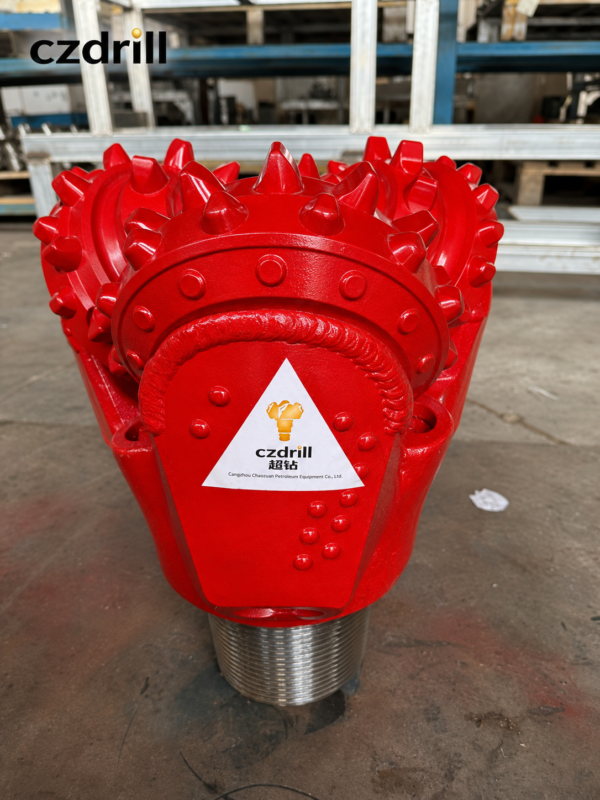
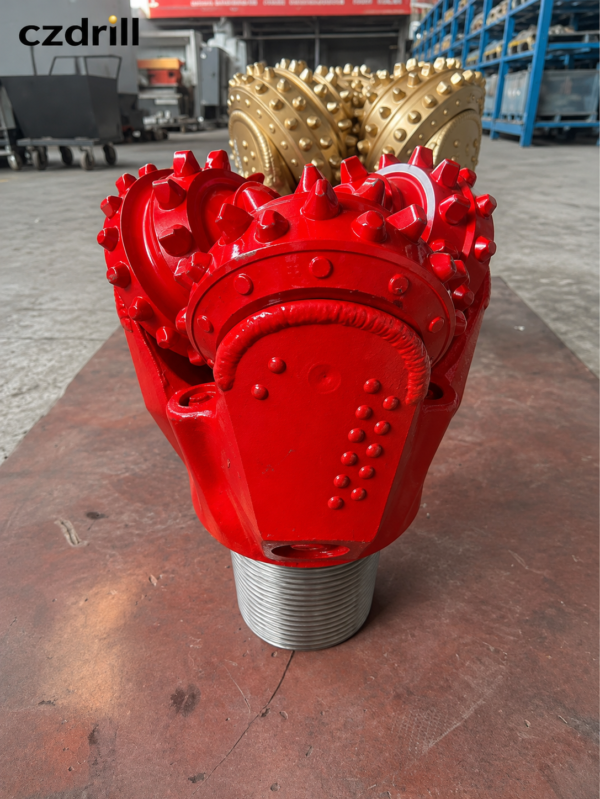
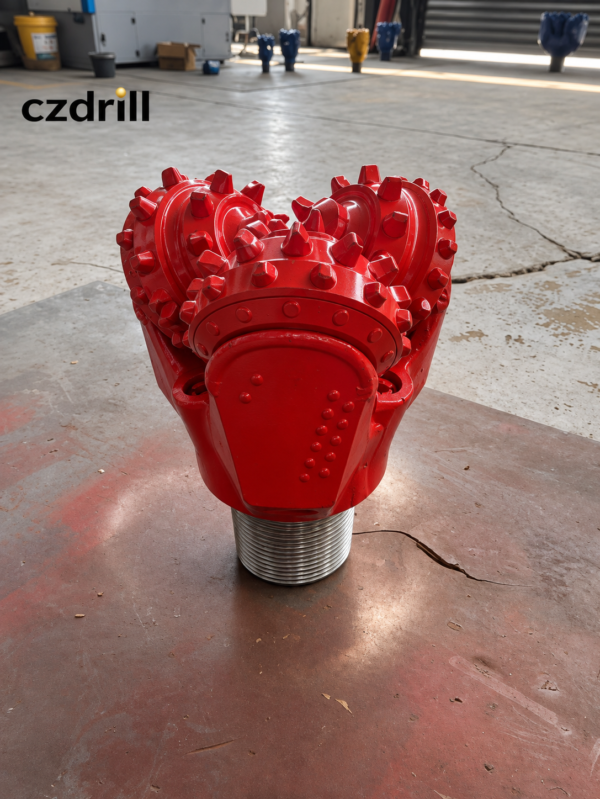
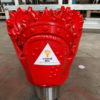
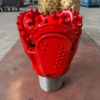
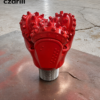
9 3/4 Inch Tricone Bit IADC 437G for Soft Formations
9 3/4″ (247.65 mm) IADC 437G Tricone Drill Bit | TCI Sealed Bearing
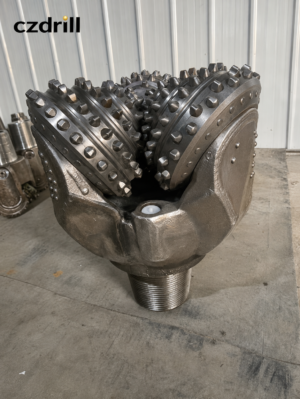
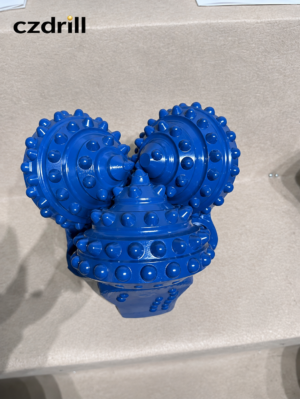
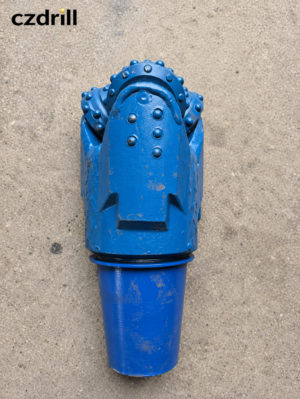
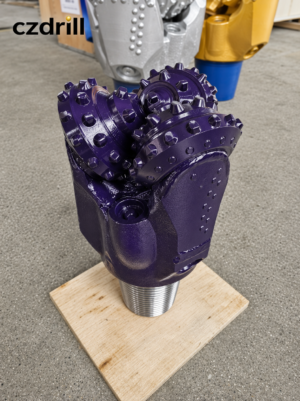
This 9 3/4 inch (247.65 mm) IADC 437G tricone drill bit is designed for soft formations with low compressive strength and good drillability, such as soft shale, clay, mudstone, chalk, salt rock and unconsolidated sandstone. Tungsten carbide inserts are optimized for cutting and fragmentation, delivering fast penetration speed and high rock-breaking efficiency. The sealed journal bearing (elastomer or metal-to-metal seal optional) reduces bearing wear and supports longer single runs, while G-type gauge protection stabilizes the borehole diameter and reduces reaming. With high load-bearing capacity, it suits medium-to-large rotary drilling rigs, and mud circulation passages and nozzles provide effective cooling and cuttings removal. API compliant, with API REG thread available. IADC code can be customized.
Applications: water well drilling, oil and gas drilling, geological exploration, medium-to-large pile foundations, shallow mine drilling and trenchless pilot hole construction.
What Is a 9 3/4 Inch (247.65 mm) Tricone Drill Bit?
A 9 3/4 inch tricone bit (metric equivalent: 247.65 mm tricone bit) is a premium rotary drilling tool engineered to deliver superior rate of penetration (ROP) and structural durability across demanding drilling environments. Featuring three independently rotating cones fitted with precision-engineered cutting elements, this tool crushes, gouges, and shears rock formations under high downhole weight and rotary torque.
Core Features and Engineering Highlights
-
- Optimized Hole Diameter: The 9 3/4″ (247.65 mm) gauge profile provides the exact clearance required for standard surface casings, pilot holes, and intermediate borehole sections.
- Tri-Cone Cutting Geometry: Intermeshing cone profiles prevent bit balling and deliver balanced rock fracture across the entire bottom-hole surface.
- Cutting Structure Options: Available with robust milled steel teeth for softer strata or premium tungsten carbide inserts (TCI) for abrasive, high-compressive-strength formations.
- Engineered Fluid Hydraulics: Optimized fluid ports and replaceable jet nozzles direct drilling fluid straight to the cutting face, ensuring fast debris evacuation and continuous bearing cooling.
- Heavy-Duty Body Architecture: Forged from high-grade alloy steel and heat-treated to withstand extreme cyclic loads and shock vibrations.
Whether deployed in deep oil and gas exploration, water well construction, or large-diameter geothermal projects, the 9 3/4 inch tricone drill bit provides the mechanical strength and drilling efficiency necessary to minimize downhole trips and lower overall drilling costs per foot.
Understanding the IADC 437G Code
The International Association of Drilling Contractors (IADC) classification system standardizes roller cone bits so operators know exactly what tool to run. When selecting a 9 3/4 inch tricone bit classified under IADC 437G, each character specifies a critical structural and operational capability:
-
- First Digit (4) – Cutting Structure: Represents a Tungsten Carbide Insert (TCI) design engineered specifically for soft formations with low compressive strength and high drillability.
- Second Digit (3) – Hardness Degree: Specifies the formation hardness within the soft category, optimized for drilling through soft shales, clays, sandstones, and soft limestones without premature insert breakage.
- Third Digit (7) – Bearing and Lubrication: Denotes a sealed friction journal bearing bit equipped with advanced gauge protection. This system retains grease, locks out abrasive drilling fluids, and withstands high rotary speeds under heavy weight on bit (WOB).
- Suffix Letter (G) – Gauge Protection: Indicates dedicated extra tungsten carbide inserts reinforced along the gauge and heel rows to eliminate diameter loss in abrasive strata.
Choosing our standard IADC 437 TCI tricone drill bit guarantees a balanced cutting structure that maximizes penetration rates while keeping the borehole strictly within true gauge specifications.
Key Specifications
We build every 9 3/4 inch tricone bit to stringent API manufacturing standards, ensuring reliable penetration rates and hole straightness. For projects requiring documented field performance, our proven drilling case studies show how these parameters consistently deliver in soft-to-medium rock formations.
| Specification Parameter | Technical Detail |
|---|---|
| Bit Diameter | 9 3/4 inch (247.65 mm) |
| IADC Classification | IADC 437 / IADC 437G |
| Cutting Structure | Tungsten Carbide Inserts (TCI) |
| Bearing System | Rubber sealed journal bearing / sealed roller bearing |
| Standard Pin Connection | 6 5/8″ API Regular |
| Nozzle Configuration | 3 interchangeable jet nozzles |
| Recommended WOB | 0.35 – 0.85 kN/mm (approx. 20,000 – 45,000 lbs) |
| Operating Rotary Speed | 60 – 140 RPM |
| Body Hardfacing | Enhanced shirttail and leg protection |
Critical Operating Parameters
-
- Thread Integrity: Standard 6 5/8″ API Regular pin ensures direct compatibility with standard drill collars and crossover subs.
- Balanced Cutting Action: The insert pattern on this 247.65 mm tricone bit distributes load evenly to prevent premature insert breakage.
- Hydraulic Efficiency: Three jet nozzles optimize hole cleaning and prevent bit balling in sticky shales.
Why Choose a TCI Tricone Drill Bit?
Choosing a Tungsten Carbide Insert (TCI) design for your 9 3/4 inch tricone bit delivers unmatched durability, especially when dealing with abrasive layers and variable formations. While steel tooth bits wear down quickly in abrasive environments, TCI bits use ultra-tough carbide compacts pressed into alloy steel cones, keeping the cutting structure sharp through extended runs.
Maximum Wear Resistance in Abrasive Ground
Our TCI cutting structures resist abrasive wear and thermal shock far better than traditional milled teeth. Whether you are cutting through interbedded sandstones or drilling surface holes, a sealed bearing tricone bit fitted with carbide inserts prevents premature tooth breakage, gauge loss, and unplanned bit trips.
Milled Tooth vs. TCI Tricone Bits
| Performance Feature | Standard Milled Tooth Bit | TCI Tricone Drill Bit |
|---|---|---|
| Insert Material | Milled steel with hardfacing | High-grade tungsten carbide inserts |
| Wear Life | Shorter in abrasive formations | Extended run life and stable cutting structure |
| Formation Range | Soft, non-abrasive shales | Soft-medium to ultra-hard abrasive strata |
| Trip Frequency | High (frequent replacements) | Significantly reduced (fewer trips required) |
| Cost Per Foot | Higher in tough formations | Lowest total cost per foot drilled |
Lower Total Drilling Cost Per Foot
For large-diameter surface and production drilling, reducing trip time is the single fastest way to protect your operating budget. Choosing a high-performance TCI design ensures consistent rate of penetration (ROP) and keeps the bit on bottom longer.
-
- Extended Bit Life: Engineered carbide grades withstand high impact loads without chipping.
- Stable Downhole Torque: Balanced cutter engagement prevents erratic torque spikes that stress your drill string.
- Optimized Economics: Many drillers optimize their fleet operations by using our comprehensive procurement guide for tricone drill bits to match insert profiles directly to their formation targets.
Sealed Bearing Technology Explained
The bearing system is the heart of any roller cone bit. In our 9 3/4 inch tricone bit designs, we utilize an advanced sealed bearing package engineered to withstand extreme downhole pressures, high rotational speeds, and intense heat. Bearing failure is the leading cause of premature bit pulls, and our sealing system eliminates that risk entirely.
Core Mechanics of the Sealed Journal Bearing
Our sealed bearing tricone bit models isolate critical moving surfaces from harsh drilling fluids, abrasive cuttings, and corrosive downhole chemicals.
-
- Elastomer O-Ring Seal: A high-temperature, wear-resistant synthetic rubber O-ring maintains consistent contact pressure, forming an impenetrable barrier against drilling mud.
- Pressure Compensation System: A flexible diaphragm reservoir equalizes internal grease pressure with external borehole hydrostatic pressure, preventing seal blowout or lubricant leakage.
- Specialized Synthetic Grease: Pre-packed with extreme-pressure lubricant that resists thermal breakdown, ensuring low-friction rotation across extended runs.
- Hardfaced Bearing Races: We apply high-grade anti-friction alloys to journal surfaces, matching the performance standards seen in industrial precision bearings to prevent galling under massive weight on bit (WOB).
| Bearing Feature | Standard Open Bearing | Our Sealed Journal Bearing |
|---|---|---|
| Lubrication | Circulating mud (abrasive) | Self-contained synthetic grease |
| Debris Protection | None | Multi-stage elastomeric barrier |
| In-Hole Life | Short to moderate | Extended run times (2x–3x longer) |
| Load Capacity | Limited by mud erosion | Maximum WOB and RPM tolerance |
By keeping abrasives out and premium lubrication in, our 9 3/4″ (247.65 mm) tricone bits deliver predictable in-gauge hours, stable torque responses, and lower cost-per-foot metrics across tough drilling intervals.
Gauge Protection (G Suffix) Benefits
Maintaining full hole diameter is critical when running a 9 3/4 inch tricone bit. In the IADC classification, the “G” suffix denotes extra gauge protection. We build our bits with reinforced gauge inserts and hardfacing to ensure the wellbore maintains a true 247.65 mm profile from surface to total depth.
Without robust gauge protection, abrasive formations grind down the outer perimeter of the bit. This causes under-gauge hole issues, forcing you to ream the hole with the next run and risking premature tool failure.
Key Advantages of Gauge Protection
-
- Maintains True Borehole Diameter: Strategically placed tungsten carbide inserts on the heel row protect the outer cutting structure, eliminating costly reaming operations.
- Shirttail Hardfacing: Heavy-duty hardfacing along the bit legs and shirttail shields the bearing seal cavity from abrasive slurry and cuttings.
- Extended Bit Life: By balancing cutter wear across the cones and outer diameter, our IADC 437 tricone bit maintains steady penetration rates without losing gauge stability.
- Reduced Downhole Torque: Uniform outer wear minimizes erratic torque spikes, providing smooth rotation even when drilling through interbedded, abrasive intervals.
Standard vs. Gauge-Protected (G-Suffix) Bits
| Feature | Standard Tricone Bit | Gauge-Protected (G-Suffix) Bit |
|---|---|---|
| Outer Row Protection | Basic steel or limited inserts | Reinforced tungsten carbide gauge cutters |
| Shirttail Defense | Standard wear pad | Premium hardfacing over critical seal zones |
| Wellbore Geometry | Prone to taper in abrasive rock | Guarantees consistent 9 3/4″ borehole |
| Secondary Reaming Needs | Frequent | Minimal to none |
For drilling programs facing abrasive sandstone or interbedded chert, opting for the “G” configuration protects both your bit investment and subsequent casing runs. If your drilling conditions demand specialized cutter layouts, you can contact our engineering team to configure the exact hardfacing and insert profiles required for your project.
Mud Circulation and Nozzle Design
Efficient hydraulics keep the hole clean and extend tool life. On our 9 3/4 inch tricone bit, we engineer the fluid paths to maximize bottom-hole cleaning efficiency while preventing cone balling in sticky, soft formations.
Optimized Jet Hydraulics
We equip each bit with three interchangeable jet nozzles arranged to direct high-velocity mud flow precisely where it creates the greatest impact:
-
- Targeted Cone Washing: Fluid streams sweep across the cutting structure, preventing cuttings from packing tightly between the carbide inserts.
- Rapid Cuttings Evacuation: High-velocity fluid hits the formation face directly ahead of the cones, lifting drilled solids instantly into the annulus to eliminate regrinding.
- Bearing Temperature Control: Continuous mud flow dissipates heat generated by high-RPM drilling, shielding the bearing seals from thermal degradation.
Nozzle Versatility and Field Care
| Feature | Design Specification | Operational Benefit |
|---|---|---|
| Nozzle Type | Replaceable threaded/circlip jets | Fast on-rig sizing adjustments for optimal hydraulic horsepower (HSI) |
| Flow Distribution | Balanced 3-jet asymmetrical layout | Uniform bottom-hole scouring without eroding bit body legs |
| Erosion Resistance | Tungsten carbide sleeves | Prevents fluid washouts under abrasive, high-pressure drilling conditions |
Selecting the correct nozzle sizes balances rig pump pressure with ideal flow rates. Inspecting the fluid ports during routine drilling tool maintenance ensures clear passages, prevents washouts, and delivers maximum penetration rates run after run.
Best Tricone Bit for Soft Formations
When you drill through unconsolidated sand, soft shale, red beds, or soft limestone, penetration speed determines your profit margin. We engineer our 9 3/4 inch tricone bit to deliver maximum rate of penetration (ROP) without clogging or premature wear in these high-volume cutting environments.
Soft formations require an aggressive scraping and gouging action rather than crushing. Our design incorporates specific cutting structures to keep hole cleaning efficient and drilling speeds high:
-
- Aggressive Chisel Inserts: Widely spaced, large-projection tungsten carbide inserts bite deep into soft strata, ripping material away with minimal weight on bit (WOB).
- High Cone Offset: Optimized cone geometry creates a powerful sliding and shearing motion, preventing the bit from bogging down in sticky clays.
- Large Chip Relief Areas: Deep relief valleys between insert rows ensure drilling cuttings flush away instantly, eliminating bit balling.
- Hydraulic Precision: Multi-port fluid delivery keeps the cutters cool and continuously scours the hole bottom clean.
If you run large-diameter operations or custom hole-opening projects, pairing the right cutting structure—such as our robust GT537 tricone cone cutter assemblies—ensures consistent torque and long cutter life. For crews targeting dependable runs and faster turnaround in low-compressive-strength rock, our tricone bit for soft formations provides the durability and high-speed footage your job demands.
Applications of a 9 3/4 Inch Tricone Bit
A 9 3/4 inch tricone bit delivers the balanced cutting diameter and load capacity needed across heavy drilling sectors. We engineer this tooling to handle varied strata, making it a reliable standard for operations requiring steady penetration rates and hole stability.
Common Industry Uses
-
- Water Well Drilling: The 247.65 mm tricone bit is widely used for drilling deep, high-capacity commercial and agricultural water wells, clearing soft unconsolidated layers while keeping the hole clean for casing installation.
- Oil and Gas Exploration: Crews use this bit size for top-hole and intermediate drilling sections. In interbedded formations where abrasive rock alternates with shale, operators often run this tool before transitioning deeper with a rigid PDC drill bit with 1913 cutters to balance speed and durability.
- Geothermal Projects: It performs consistently in geothermal exploration wells, handling thermal stress and abrasive mud environments without early cone degradation.
- Mining and Quarrying: Used in blast hole drilling and overburden removal where rock formations require high-load crushing action rather than shearing.
- Civil Engineering and Foundation Piling: Contractors rely on this size for micro-piling, bridge foundations, and ground anchor holes through gravel, clay, and mixed boulders.
Whether you run a tricone bit for soft formations or need an adaptable bit for mixed strata, this 9 3/4 inch profile provides the structural integrity and fluid dynamics needed to keep drilling costs per foot predictable.
How to Choose the Right Tricone Bit
Selecting the right 9 3/4 inch tricone bit comes down to matching the cutting structure and bearing type with your specific formation. When our clients evaluate options, we focus on four primary operational factors to balance penetration rates against tool longevity, especially when sourcing industrial drilling bits for demanding field programs.
Key Selection Criteria
-
- Formation Compressive Strength: Match rock hardness to the IADC series. Soft formations (clay, marl, soft shale) require long, widely spaced teeth to scoop and gouge. Hard, abrasive formations require short, dense carbide inserts to crush rock under high weight on bit (WOB).
- Bearing Type: Use a sealed journal bearing for deep holes, high RPMs, and long rotating runs. Open roller bearings work best for shallow water wells or mining blast holes where cost per foot overrides bit longevity.
- Hydraulic Flow: Size your jet nozzles to optimize cuttings removal at the bottom of the hole. Inadequate hydraulic cleaning leads to bit balling and cutter regrinding.
- Abrasion & Gauge Wear: If drilling through interbedded sandstone or chert, always specify gauge compacts to maintain hole diameter and prevent premature cone wear.
Quick Selection Matrix
| Formation Type | Recommended IADC | Cutter Style | Bearing Type | Typical WOB (lbs/in of bit) |
|---|---|---|---|---|
| Soft (Sand, clay, soft lime) | 417 – 437 | Long chisel TCI or steel tooth | Sealed Journal / Rubber Seal | 2,500 – 4,000 |
| Medium (Shale, dense lime) | 517 – 537 | Medium conical / chisel TCI | Sealed Journal Bearing | 3,500 – 5,500 |
| Hard (Quartzite, chert, granite) | 617 – 737 | Short spherical / hemispherical TCI | Sealed Journal / Gauge Protected | 4,500 – 7,000 |
Getting the right 9 3/4 inch tricone bit means avoiding over-engineering for simple, soft strata while ensuring you have sufficient gauge protection and sealed bearing reliability when facing deep, abrasive horizons.
FAQ
What does IADC 437G mean?
The IADC 437G classification breaks down the structural design of an IADC 437 tricone bit:
-
- 4 (Series): Indicates a tungsten carbide insert (TCI) cutting structure designed for low compressive strength strata.
- 3 (Hardness Type): Targets soft formations with semi-hard interbeds.
- 7 (Bearing & Lubrication): Signifies a sealed journal bearing with specialized gauge protection on the cone heel.
- G (Additional Feature): Confirms extra gauge row carbide inserts to eliminate premature wear in abrasive sections.
Can the IADC code be customized?
Yes. We regularly adapt tooth shapes, insert densities, and nozzle setups to match complex lithology. When sourcing direct from industrial bit manufacturers, you can configure your 9 3/4 inch tricone bit with chisel, conical, or ovoid inserts depending on whether you need aggressive gouging or high-impact crushing.
What formations suit a 9 3/4 inch tricone bit?
A 247.65 mm tricone bit classified under IADC 437 is the ideal tricone bit for soft formations. It delivers consistent rate of penetration (ROP) across:
-
- Unconsolidated sand and gravel
- Soft shales, marl, and sticky clays
- Soft limestones, gypsum, and salt beds
- Interbedded sandstones with low compressive strength
What thread connection does this bit use?
Our 9 3/4 inch tricone bit comes standard with a precision-machined 6 5/8″ API Regular (API Reg) pin connection. This ensures seamless integration with standard drill collars, subs, and downhole motor assemblies across oilfield, geothermal, and water-well drilling rigs.
Is this tricone bit API compliant?
Every sealed bearing tricone bit we manufacture strictly adheres to API Spec 7-1 and ISO 9001 standards. From pin thread tolerances and hardfacing metallurgy to the pressure-compensating elastomer seals, each unit passes complete non-destructive and torque testing prior to dispatch.