WhatsApp:+86 19933284353

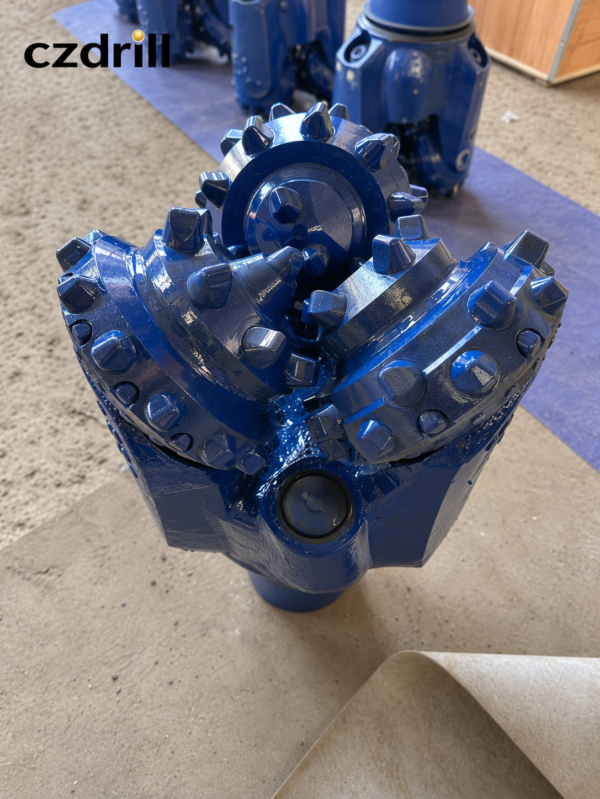
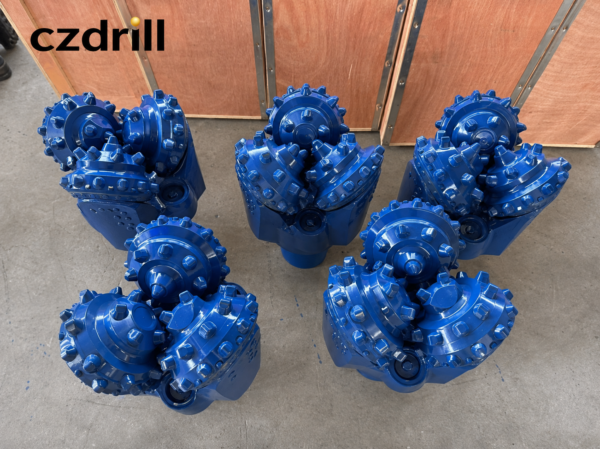
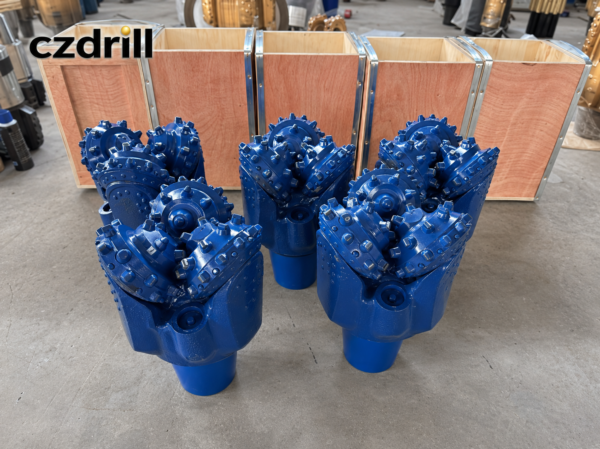
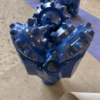
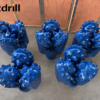
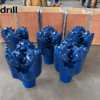
8‑1/2″ Inch Tricone Bit IADC 437G Sealed Bearing
8 1/2″ IADC 437G Tricone Drill Bit | TCI Sealed Bearing
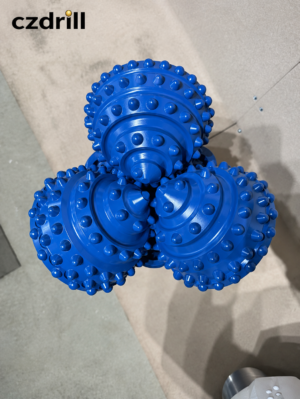
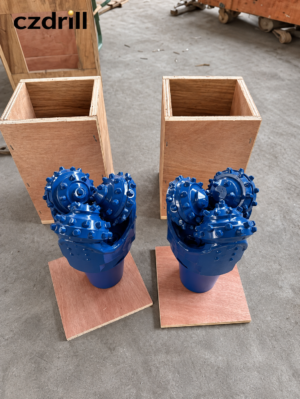
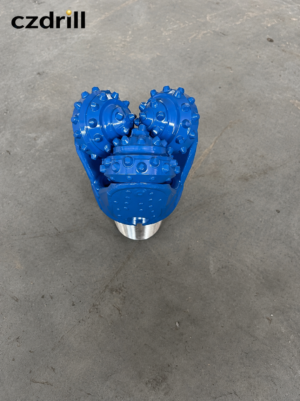
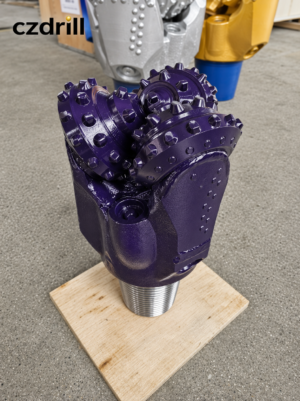
This 8 1/2 inch IADC 437G tricone drill bit is designed for soft formations with low compressive strength and good drillability, such as soft shale, clay, mudstone, chalk, salt rock and unconsolidated sandstone. Tungsten carbide inserts are optimized for cutting and fragmentation, delivering a high penetration rate and excellent rock-breaking efficiency. The sealed journal bearing (elastomer or metal-to-metal seal optional) reduces bearing wear and supports longer single runs, while G-type gauge protection stabilizes the borehole diameter and reduces reaming. Mud circulation passages and nozzles provide effective cooling and cuttings removal. API compliant, with API REG thread available. IADC code can be customized.
Applications: water well drilling, oil and gas drilling, geological exploration, trenchless pilot holes and shallow mine drilling.
What Is an 8 1/2 Inch Tricone Drill Bit?
An 8-1/2″ inch tricone bit (215.9 mm) is a benchmark rotary drilling tool engineered for demanding drilling operations across oil and gas extraction, geothermal development, water well construction, and mining. Built with three independently rotating cones, the bit operates by rolling across the bottom of the borehole, crushing, chipping, and scraping rock formations under applied weight on bit (WOB) and rotational torque.
Core Anatomy and Mechanics
- Three-Cone Geometry: The triangular arrangement distributes mechanical stress evenly, stabilizing the drill string and maintaining hole straightness.
- Standard Hole Diameter: At 8-1/2 inches, this tool matches the most widely used intermediate and production casing sizes in modern drilling programs.
- Cutting Structure Variety: Engineered as either a Tungsten Carbide Insert (TCI) bit for high-wear environments or a milled steel tooth bit for cost-effective penetration in softer strata.
- Optimized Hydraulics: High-velocity fluid nozzles clear crushed rock fragments from the bit face immediately, preventing re-drilling and overheating.
Our 8-1/2″ tricone drill bits deliver high rate-of-penetration (ROP) while maintaining gauge integrity, directly reducing total drilling hours and lowering cost-per-foot metrics in deep-hole projects worldwide.
Understanding the IADC 437G Code
When we supply an 8-1/2″ inch tricone bit, the IADC code serves as the universal blueprint for its operational capabilities. Developed by the International Association of Drilling Contractors, this four-character designation tells your drilling team exactly how the tool is built and where it will deliver the highest rate of penetration (ROP).
An IADC 437 tricone bit balances aggressive cutting action with heavy-duty bearing longevity.
Breaking Down the Code: 4-3-7-G
- First Digit (4) – Cutting Structure: Represents a TCI tricone drill bit (Tungsten Carbide Insert). The “4” series indicates large, widely spaced, chisel-shaped carbide inserts engineered specifically as an effective tricone bit for soft formations.
- Second Digit (3) – Formation Hardness: Defines the sub-classification within soft formations. A “3” focuses on softer rock layers with low compressive strength, such as clay, shale, sandstone, and soft limestone.
- Third Digit (7) – Bearing and Seal Design: Confirms this is a premium sealed bearing tricone bit. The “7” signifies a sealed friction (journal) bearing system with built-in gauge protection, preventing mud contamination and extending hours on bottom.
- Suffix Letter (G) – Gauge Protection: Highlights additional compact carbide inserts embedded on the heel and gauge rows. This keeps the hole out-to-gauge and stops premature cone wear in abrasive intervals.
| Code Element | Feature | Job Site Advantage |
|---|---|---|
| 4 | TCI soft-formation teeth | Fast ROP without cone dragging |
| 3 | Semi-aggressive cutter layout | Smooth torque response in soft-medium rock |
| 7 | Sealed journal bearing | High load capacity and longer bearing life |
| G | Reinforced gauge inserts | Consistent 8-1/2″ hole diameter from shoe to total depth |
By choosing our IADC 437G setup for your 8-1/2″ hole sections, you eliminate downhole guesswork, maintain hole caliber, and ensure dependable bit life under heavy rotary speeds.
Key Specifications
We build our 8-1/2″ inch tricone bit to handle demanding field conditions without unexpected downtime. Below are the standard technical specifications and operating parameters for our standard TCI sealed bearing configuration:
| Specification Parameter | Value / Range |
|---|---|
| Bit Diameter | 8-1/2 inch (215.9 mm) |
| Standard IADC Code | 437 / 437G |
| Cutting Structure | Tungsten Carbide Inserts (TCI) |
| Bearing Type | Elastomer-sealed journal bearing |
| Thread Connection | 4-1/2″ API Regular (REG) Pin |
| Nozzle Configuration | 3 jet nozzles (interchangeable) |
| Weight on Bit (WOB) | 18,000 – 35,000 lbs (1.0 – 2.0 kN/mm) |
| Rotary Speed (RPM) | 60 – 140 RPM |
| Gauge Protection | Heel-row inserts + Shirttail hardfacing |
Quick Operational Highlights
- Precision Threading: Machined strictly to standard API specifications for quick make-up and dependable torque transfer.
- Balanced Cutting Action: Chisel and conical insert placement limits vibration while maintaining steady penetration rates.
- Optimized Fluid Flow: Interchangeable nozzle ports allow you to tune hydraulic flow and bottom-hole cleaning directly on the rig.
Why Choose a TCI Tricone Drill Bit?
When drilling tough ground, tool failure is not an option. We build and supply the 8-1/2″ TCI tricone drill bit because tungsten carbide inserts deliver unmatched durability, outlasting standard steel-tooth bits across abrasive environments. Choosing a TCI (Tungsten Carbide Insert) configuration cuts overall operational downtime and reduces the total cost per foot drilled.
Built for Extended Downhole Life
Our 8-1/2″ TCI bits rely on high-grade carbide compacts pressed directly into alloy steel cones. This gives you distinct drilling advantages:
- High Wear Resistance: Tungsten carbide inserts maintain their gauge and cutting profile even in sharp, abrasive sands and carbonates.
- Consistent Rate of Penetration (ROP): Engineered tooth shapes maximize rock fracturing through crushing and gouging actions without premature tooth breakdown.
- Fewer Round Trips: Longer bit life means fewer trips out of the hole to change dull bits, protecting your rig schedule and budget.
TCI vs. Milled Tooth: Performance Comparison
| Feature | 8-1/2″ TCI Tricone Drill Bit | Standard Milled Tooth Bit |
|---|---|---|
| Cutting Structure | Tungsten Carbide Inserts (TCI) | Machined steel teeth with hardfacing |
| Abrasive Resistance | Superior; handles abrasive sand and shale | Moderate; teeth wear flat rapidly |
| Operating Life | Extended hours downhole | Shorter life in harder stringers |
| Overall Cost Efficiency | Lowest cost per foot in abrasive rock | Lower upfront price, higher trip costs |
Lower Total Drilling Costs
We design every 8-1/2″ inch tricone bit with precision-matched insert geometries to suit your exact target geology. Whether you run a sealed bearing tricone bit for deep oilfield wells or water well projects, a TCI bit maintains its structure under high weight-on-bit (WOB), making it the most dependable workhorse for your drilling string.
Sealed Bearing Technology Explained
When you run an 8-1/2″ inch tricone bit downhole, bearing reliability decides your entire run. Bearing failure leads directly to locked cones, lost inserts, and costly fishing trips. We engineer our sealed bearing tricone bit systems to withstand extreme hydrostatic pressures, heavy weight-on-bit (WOB), and punishing rotary speeds.
How the Sealed Bearing System Works
Standard open bearings depend on drilling mud for cooling, which introduces abrasive rock cuttings into the critical wear surfaces. Our sealed bearing design isolates the bearing cavity completely, providing a clean, self-contained operating environment.
- High-Saturation Elastomer O-Ring: A precision-molded, heat-resistant seal sits tight against the cone journal, blocking abrasive drilling fluids and sharp micro-solids from reaching the bearing races.
- Pressure Compensation System: A flexible diaphragm equalizes pressure between the wellbore mud column and the internal grease reservoir. This eliminates pressure differentials that could otherwise blow out the seals at high depths.
- Synthetic Extreme-Pressure (EP) Grease: Packed with proprietary high-load lubricant that resists thermal breakdown and maintains film strength across extended drilling intervals.
- Hardfaced Bearing Surfaces: Journal pins and cone bushings feature anti-friction alloy overlays that reduce galling and wear under severe thrust and radial loads.
| Bearing Feature | Mechanical Role | Drilling Advantage |
|---|---|---|
| Elastomer Seal | Isolates moving components | Zero slurry contamination inside raceways |
| Pressure Compensator | Balances downhole hydrostatic head | Extends seal integrity during deep runs |
| Hardfaced Journal | Supports high radial & axial shock | Prevents cone lockup and insert breakage |
By protecting internal components from the hostile borehole environment, our sealed bearing technology ensures that your 8-1/2″ inch tricone bit delivers maximum rotating hours, higher average ROP, and full-gauge stability from surface to total depth.
Gauge Protection (G Suffix) Benefits
When you run an 8 1/2″ inch tricone bit downhole, gauge wear is one of the fastest ways to kill your drilling efficiency. That little “G” suffix in an IADC code isn’t just a letter—it represents built-in insurance for your borehole diameter.
We engineer our bits with heel-row tungsten carbide inserts and hardfacing along the shirt-tail. This heavy-duty reinforcement actively resists the intense abrasive friction caused by continuous contact with the wellbore wall.
Why Heel and Shirt-Tail Protection Matters
- True-to-Gauge Hole Quality: Prevents the bit from tapering inward, ensuring a clean, full-gauge 8-1/2″ hole from surface to target depth.
- Eliminates Reaming Runs: Running an under-gauge bit forces the next tool string or casing run to ream out tight spots. Our gauge protection cuts out that wasted rig time.
- Extended Bearing Life: By absorbing severe lateral loads, gauge inserts keep excess bending stress off the sealed bearing assembly.
- Optimized for Directional Drilling: Maintains steady contact and steering control when kicking off or holding angle.
Standard Bit vs. Gauge-Protected (G-Suffix) Bit
| Feature | Standard Tricone Bit | G-Suffix Tricone Bit (Ours) |
|---|---|---|
| Heel Row Inserts | Basic steel or minimal carbide | High-density tungsten carbide compacts |
| Shirt-Tail Hardfacing | Standard coverage | Premium tungsten carbide overlay |
| Hole Diameter Retention | Prone to pinching in abrasive rock | Holds consistent 8-1/2″ diameter |
| Casing Readiness | May require a pre-casing reamer run | Direct casing run without tight spots |
| Wear Resistance | Moderate | Maximum resistance to lateral abrasion |
This added protection ensures every 8 1/2″ inch tricone bit we deliver stays sharp, holds gauge, and delivers the lowest cost per foot even in abrasive formations.
Mud Circulation and Nozzle Design
Efficient hydraulics keep your drilling operation fast and cost-effective. We engineer the fluid channels on our 8-1/2″ inch tricone bit to maximize cutting removal, cool the cutting structure, and protect the sealed bearing assembly from thermal breakdown.
Optimized Bottom-Hole Cleaning
Poor hydraulics lead to re-drilling cuttings, which destroys penetration rates and wears down your carbide inserts prematurely. Our circulation geometry solves this:
- Precision Jet Streams: Three strategically angled fluid ports direct high-velocity drilling mud right to the point of rock contact, sweeping away debris instantly.
- Anti-Balling Protection: For sticky shales and soft formations, our nozzle alignment keeps the cone teeth clean, preventing cuttings from packing tightly between the rows.
- Bearing Temperature Control: Fluid circulation continuously draws heat away from the cones, extending the run life of each sealed bearing tricone bit.
Interchangeable Nozzle System
Drilling parameters vary from rig to rig. We build our 8-1/2″ inch tricone bits with replaceable, threaded tungsten carbide nozzles so you can dial in the exact hydraulics you need on site:
| Feature | Field Benefit |
|---|---|
| Threaded Nozzle Retention | Locks tight under intense pump pressure; won’t wash out downhole |
| Tungsten Carbide Sleeves | Resists erosion caused by high-solids or abrasive drilling mud |
| Adjustable Flow Area (TFA) | Match your rig’s standpipe pressure and flow rate for maximum ROP |
By balancing hydraulic horsepower across the bit face, our TCI tricone drill bit design guarantees clean bottom-hole contact every second it rotates.
Best Tricone Bit for Soft Formations
When we configure an 8 1/2 inch tricone bit for soft formations, our priority is clear: achieve the highest possible rate of penetration (ROP) while preventing bit balling. Drilling through low-compressive-strength strata—such as unconsolidated sands, soft shales, clay, and soft limestone—requires cutting mechanics fundamentally different from those used in hard rock drilling.
Instead of crushing rock through heavy impact, an optimal tricone bit for soft formations gouges, scrapes, and tears the rock apart.
Key Design Features for Soft Rock Drilling
To ensure our bits deliver peak performance in loose, sticky, or low-strength intervals, we focus on specific cutting structure geometries:
- Aggressive Chisel-Shaped Inserts: We use large-diameter, long-projection tungsten carbide inserts (TCI). The chisel profile penetrates deeply under lower weight on bit (WOB), slicing cleanly through plastic formations.
- High Cone Offset: Cone offset creates a skidding and gouging motion across the hole bottom. This shearing action shatters soft rock fast, significantly outpacing standard crushing actions.
- Wide Tooth Spacing: Maximizing the open space between inserts allows drilling mud to flush cuttings away quickly, eliminating the risk of sticky clays packing onto the cones.
- Optimized Hydraulic Flow: Strategically positioned jet nozzles sweep the cutting structure clean in real time, keeping the bit free-cutting even in gumbo shales.
Ideal Operating Parameters (8-1/2″ Soft Formation Bit)
| Parameter | Recommended Range | Operational Focus |
|---|---|---|
| Weight on Bit (WOB) | 10,000 – 25,000 lbs | Avoid over-weighting to reduce insert shearing |
| Rotary Speed (RPM) | 70 – 120+ RPM | Leverage speed over force for higher ROP |
| Drilling Mud Volume | High flow rate | Essential for immediate bottom-hole cleaning |
By pairing aggressive insert geometry with robust bearing protection, this 8 1/2 inch tricone bit gives drilling contractors faster penetration rates, clean borehole walls, and substantially lower cost per foot in soft digging environments.
Applications of an 8 1/2 Inch Tricone Bit
We supply the 8 1/2 inch tricone bit as the go-to workhorse for drilling crews worldwide. Because 8 1/2″ (215.9 mm) is the most standard hole size across multiple energy and infrastructure sectors, we build these bits to handle diverse formations and heavy downhole demands.
Where Our 8 1/2″ Tricone Bit Excels
- Oil and Gas Exploration: Widely run for intermediate casing strings and production hole sections. Whether drilling through abrasive sands or interbedded shales, our bits maintain straight hole trajectory and consistent rates of penetration (ROP).
- Water Well Drilling: A trusted choice for deep municipal, commercial, and agricultural water wells. It easily handles soft top formations down to consolidated bedrock layers without premature wear.
- Geothermal Drilling: Engineered to withstand severe bottom-hole temperatures and high-circulation mud environments during deep geothermal energy extraction.
- Mining and Civil Engineering: Ideal for large-diameter blast holes, core drilling, dewatering holes, and foundation micro-piling projects.
Application Overview
| Industry | Typical Formations | Key Performance Advantage |
|---|---|---|
| Oil & Gas | Sandstone, shale, soft limestone | Stable torque and long runs without unplanned trips |
| Water Well | Alluvium, clay, unconsolidated gravel | Excellent hole cleaning and high penetration speed |
| Geothermal | Fractured rock, high-heat strata | Reliable elastomer seals that resist thermal degradation |
| Mining | Overburden, medium-soft minerals | Extended gauge life and tough carbide insert retention |
Our 8 1/2 inch tricone bit delivers the reliability you need to minimize bit trips and lower your overall cost per foot across any drilling application.
How to Choose the Right Tricone Bit
Choosing the right 8 1/2 inch tricone bit comes down to matching the bit’s engineering directly to your geological profile. We always advise drilling teams to look past purchase cost and focus on formation hardness, expected rotational hours, and downhole hydraulics.
Selecting the wrong cutting structure or bearing assembly leads to premature tooth wear, bearing failure, or costly re-drilling trips.
Tricone Bit Selection Matrix
Use this quick-reference table to match your drilling conditions with the correct bit configuration:
| Formation Hardness | Rock Characteristics | Recommended Bit Type | Typical IADC Range | Best Bearing Choice |
|---|---|---|---|---|
| Soft | Clay, unconsolidated sand, soft shale | Steel Tooth or soft-formation TCI | 111–137 (Milled) / 417–437 (TCI) | Sealed Roller or Journal |
| Medium-Soft | Hard shale, anhydrite, soft limestone | Long-chisel TCI tricone drill bit | 437–517 | Sealed Journal Bearing |
| Medium-Hard | Sandy limestone, dolomite, hard sandstone | Conical/Chisel insert TCI | 537–627 | Sealed Journal Bearing |
| Hard & Abrasive | Quartzite, granite, chert, basalt | Hemispherical/Ovoid insert TCI | 637–837 | Sealed Journal with Gauge Protection |
Key Factors We Check Before Specifying a Bit
- Formation Compressive Strength: For softer runs with low compressive strength, pick a tricone bit for soft formations featuring tall, widely spaced tungsten carbide inserts to maximize rock gouging and penetration rates. High-abrasion hard rock requires closely spaced, blunt inserts that crush rock without snapping.
- Bearing Longevity vs. Run Time: For shallow, low-cost operations like water-well drilling, open bearings can save initial cash. For deep oil and gas or deep geothermal holes, a sealed bearing tricone bit is mandatory to prevent mud intrusion and premature bearing lockup under continuous rotation.
- Drilling Parameters (WOB & RPM): Ensure your rig can supply the required Weight on Bit (WOB) and rotary speed (RPM). Milled tooth bits run faster at lower weights, while TCI bits demand higher weight and controlled RPM to break rock effectively.
- Hydraulic Requirements: Verify nozzle sizing matches your mud pump output. Optimized jet nozzles ensure fast bottom-hole cleaning, preventing cuttings from cushioning tooth impact and slowing down your rate of penetration (ROP).
FAQ
What does IADC 437G mean?
The IADC 437G classification defines the exact mechanical makeup of this 8-1/2″ inch tricone bit:
- 4 (Series): Tungsten Carbide Insert (TCI tricone drill bit) engineered for soft formations with low compressive strength.
- 3 (Type): Optimized tooth spacing and projection designed specifically as a tricone bit for soft formations like shale, soft limestone, and clays.
- 7 (Bearing): Features a premium journal sealed bearing tricone bit package with robust elastomer seals for long rotary hours.
- G (Extra Feature): Integrated heel-row tungsten carbide inserts provide maximum gauge bevel protection to maintain accurate hole diameter.
Can the IADC code be customized?
Yes. While we build standard stock units under the IADC 437 tricone bit configuration, we regularly tailor cutting structures, insert shapes (chisel, conical, or scoop), carbide grades, and fluid hydraulics to match your exact regional drilling lithology.
What formations suit an 8 1/2 inch tricone bit?
Our 8-1/2″ inch tricone bit is engineered to deliver high penetration rates across several common ground conditions:
- Soft formations: Clays, marls, unconsolidated sands, and soft shales.
- Medium-soft transitions: Interbedded sandstones, gypsum, chalk, and low-compressive carbonates.
What thread connection does this bit use?
Standard industry sizing applies directly to our inventory:
- Connection: 4-1/2″ API Regular (REG) Pin.
- Torque Spec: Standard rotary makeup torque applied per API guidelines to match common drill collars.
Is this tricone bit API compliant?
Yes. Every 8-1/2″ inch tricone bit we supply is manufactured in strict accordance with API Spec 7-1 and ISO 9001 standards. Thread profiles, gauge diameters, and pressure-balanced bearing packages match all major rig equipment operating in the global energy, geothermal, and water well drilling sectors.