
WhatsApp:+86 19933284353

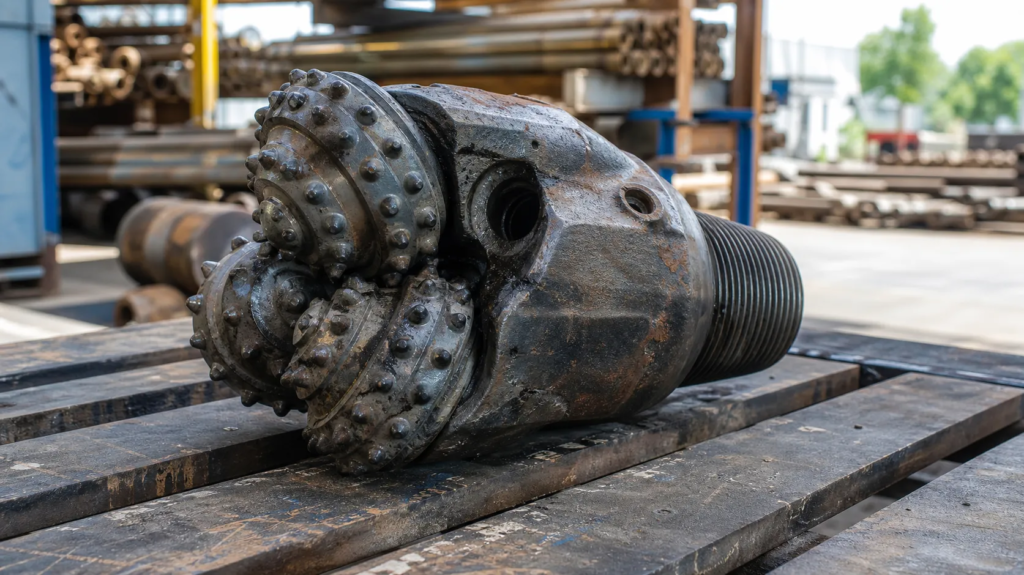
If you’re in the market for a reliable, cost-effective solution in drilling equipment, used tricone drill bits for sale offer a smart alternative to buying new. Whether you’re tackling water well projects, geothermal drilling, or oilfield operations, knowing the ins and outs of used and rerun tricone rock bits is key to making an informed purchase. From understanding the differences between used, rerun, and reconditioned bits, to navigating specifications like IADC codes, tooth types, and bearing options, this guide covers everything you need to pick the right bit that fits both your budget and drilling needs. Ready to dive in? Let’s uncover how these workhorses keep drilling efficiently without breaking the bank.
Overview of Used Tricone Drill Bits for Sale
What Are Used and Rerun Tricone Rock Bits?
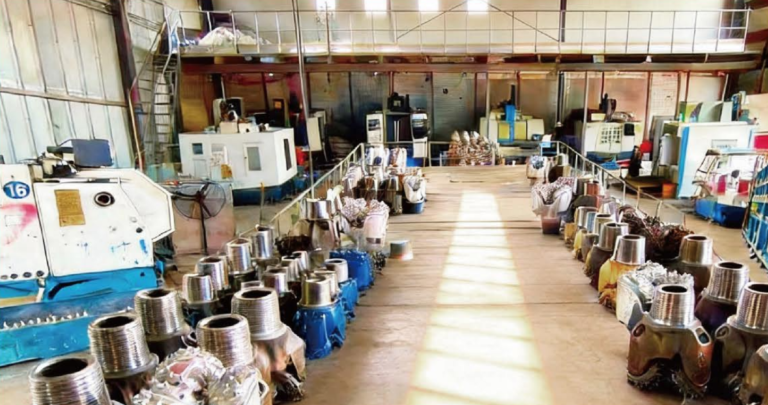
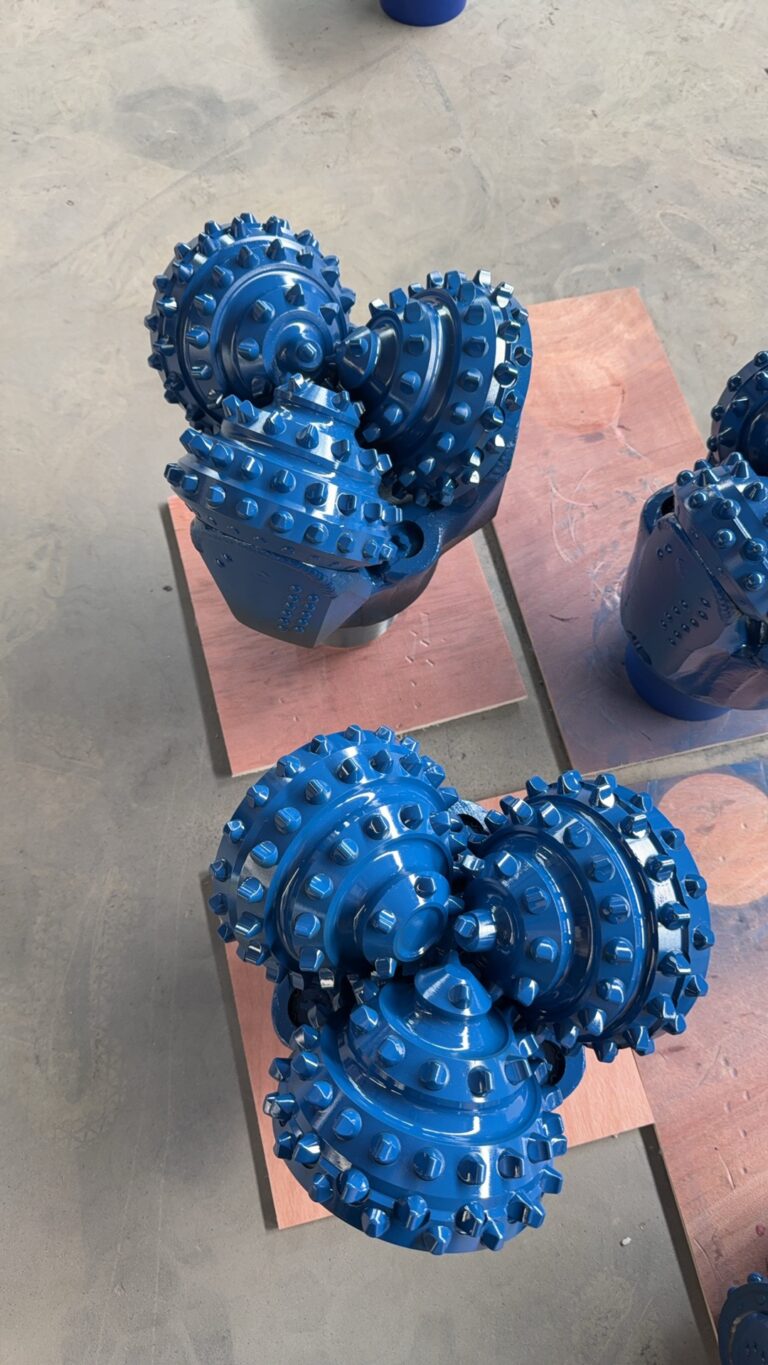
Used tricone drill bits are previously operated roller cone bits that have been collected after initial drilling applications. These bits often undergo inspection and basic cleaning but may not have been fully restored. Rerun tricone bits, on the other hand, refer to bits that have been professionally refurbished—rebuilt through processes such as bearing replacement, seal installation, ultrasonic body inspection, and hardfacing to extend operational life.
| Term | Description |
|---|---|
| Used Tricone | Bits retrieved post-use, minimally processed and sold |
| Rerun Tricone | Bits professionally rebuilt to nearly new conditions |
Why Choose Used Tricone Bits Over New Ones?
Choosing used tricone bits offers substantial cost savings, often reducing procurement expenses by 30% to 50% compared to new bits. These bits provide near-new performance, typically retaining over 90% of original drilling efficiency. For operations balancing budget and performance, used bits deliver excellent rate of penetration (ROP) and longevity while supporting sustainable, circular tooling economies. Direct purchase from manufacturers ensures quality assurance and factory pricing benefits, avoiding middleman markups common in the secondary market.
Key Differences Between Used, Rerun, and Reconditioned Bits
| Feature | Used Bits | Rerun Bits | Reconditioned Bits |
|---|---|---|---|
| Condition | Basic cleaning, wear visible | Comprehensive rebuild | Professional restoration & upgrades |
| Performance | Variable, wear impacts | Near-new (90%+) | Optimized for high ROP and durability |
| Cost Savings | High | Moderate to High | Moderate, with strong value retention |
| Quality Assurance | Limited | API & ISO standards | Factory controlled, certified |
| Typical Services | Inspection, cleaning | Bearing/seal replacement, hardfacing | Ultrasonic inspection, matrix rebuild |
Used, rerun, and reconditioned bits serve different operational needs, allowing drillers to optimize costs without sacrificing drilling performance.
Types of Used Tricone Rock Bits Available
Tungsten Carbide Insert (TCI) Tricone Bits
Used TCI tricone bits are designed for medium-hard to hard rock formations, featuring durable tungsten carbide inserts that withstand high-impact drilling environments. These bits deliver reliable performance in oilfield, mining, and water well drilling projects where hard rock penetration is essential. Many come professionally reconditioned to restore cutting efficiency and extend service life, offering near-new performance at a significantly reduced cost. For those needing specialized options, custom TCI bits with optimized cutter layouts and hardfacing are also available, ensuring compatibility with specific downhole conditions. Learn more about these advanced options in our detailed selection of TCI tricone bits.
Steel Tooth (Milled Tooth) Tricone Bits
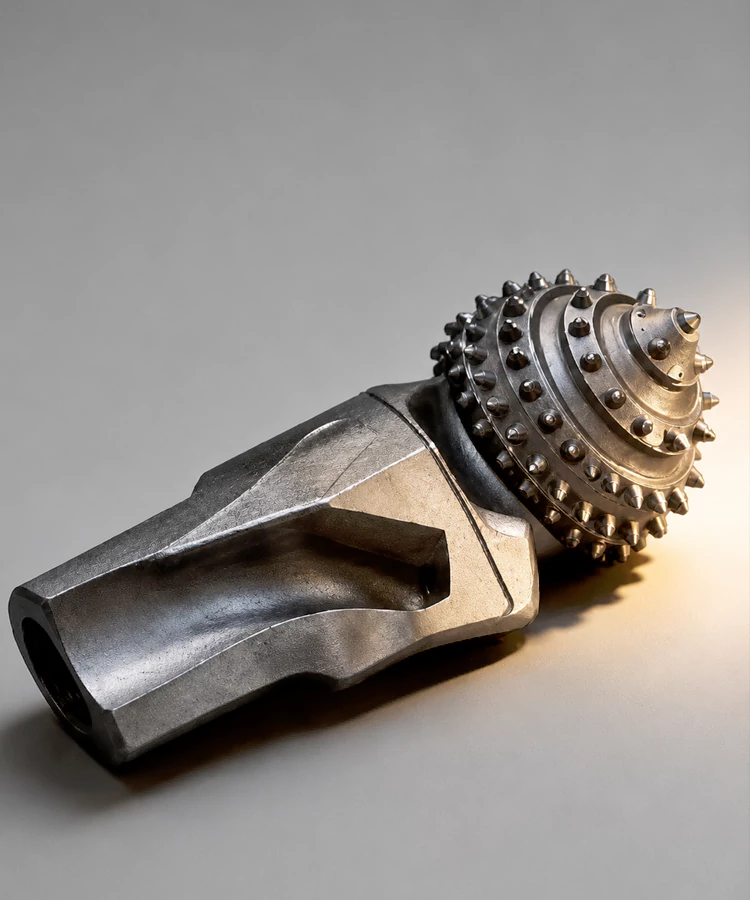
Steel tooth tricone bits, or milled tooth bits, suit softer to medium rock formations. These bits rely on large steel teeth rather than inserts, making them effective in shale, sandstone, and clay-rich strata. Used steel tooth bits are often reconditioned with precision welding to rebuild teeth and improve wear resistance. Their aggressive cutting action provides faster penetration in softer formations while maintaining excellent durability. Opting for refurbished steel tooth bits can yield significant cost savings while maintaining drilling efficiency in the right geological setting.
Used Tricone Bits vs. Used PDC Drill Bits
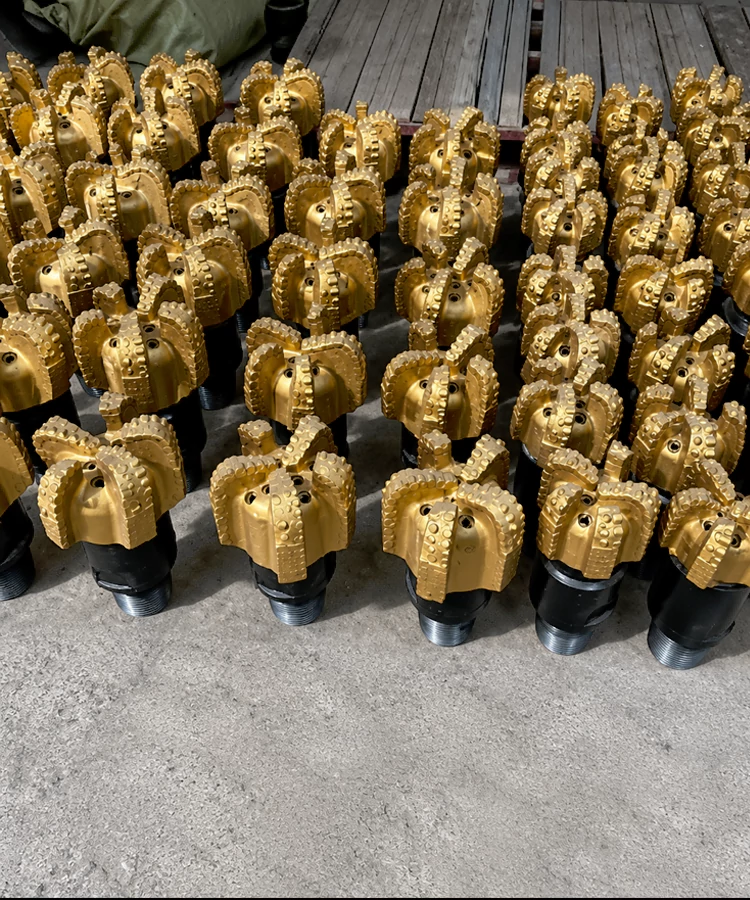
While both types serve the drilling industry, used tricone bits differ notably from used PDC (polycrystalline diamond compact) bits. Tricone bits are roller-cone style and excel in varied geology, especially fractured or abrasive rock. Used PDC bits feature fixed diamond cutters and are preferred in softer and more consistent formations due to their high ROP and longevity. Choosing between them depends on formation type, penetration rate goals, and cost efficiency. Used tricone bits remain a versatile choice for applications demanding toughness and adaptability, often at a fraction of the cost of new PDC tools. For insights on evaluating and sourcing used drill bits effectively, consider our comprehensive procurement guide.
Key Specifications and IADC Codes
Common Sizes for Used Tricone Drill Bits
Used tricone drill bits typically come in a range of standard sizes to fit most rotary drilling rigs. The most common diameters include:
| Size (inches) | Application |
|---|---|
| 4 1/2″ – 6″ | Small-diameter wells, water well drilling |
| 6 1/2″ – 8 1/2″ | Medium wells, oil & gas drilling |
| 9″ – 12 1/4″ | Large-diameter, deep wells |
| 13 3/8″ and above | Heavy-duty mining, geothermal, and HDD projects |
These sizes allow operators to choose suitable bits based on hole diameter and formation hardness. Used bits provide flexibility and cost savings while covering the most requested drilling needs.
Understanding IADC Codes for Rock Bits
The International Association of Drilling Contractors (IADC) code is a standardized numbering system that classifies tricone bits by their cutter type and formation suitability. It’s a three-digit numeric code where:
- The first digit indicates the bit series or formation type (soft, medium, hard).
- The second digit reflects bit design features such as bearing type or leg profile.
- The third digit specifies cutter structure or tooth design.
For example, an IADC code of 537 means:
- 5: Hard formation bit
- 3: Steel tooth design
- 7: Bearing type or seal protection level
Understanding IADC codes helps select used tricone bits best suited for specific ground conditions and drilling needs, ensuring optimal performance and longevity.
Bearing and Seal Options (Sealed Journal vs. Open Bearing)
Bearings and seals are critical to the durability of used tricone bits. Two main bearing styles are:
- Sealed Journal Bearings: Fully sealed with oil lubrication, these bearings protect against dirt and water ingress, allowing longer service life in harsh drilling environments. Most reconditioned bits feature sealed journals for reliability.
- Open Bearings: Simpler design without seals, open bearings are more exposed to contaminants. They are less expensive but require frequent maintenance and are suited for softer formations or short jobs.
When choosing used tricone bits, sealed bearing options offer better protection and durability, while open bearings can be cost-effective for specific less demanding drilling tasks. Selecting the correct bearing and seal type depends on formation and operational conditions.
For heavy-duty applications or hole enlargement, combining high-quality used tricone bits with specialty tooling like the Heavy Duty Roller Cone Hole Opener can enhance drilling efficiency.
Primary Applications for Used Tricone Bits
Water Well and Geothermal Drilling
Used tricone drill bits are ideal for water well and geothermal drilling projects, where medium to hard rock formations are common. Their durable design, especially tungsten carbide insert (TCI) types, handles abrasive subsurface layers effectively. These bits provide reliable penetration rates while offering significant cost savings compared to new bits. This makes them a smart choice for drilling contractors focused on long-term project affordability without sacrificing performance.
Oilfield and Gas Well Operations
In oilfield and gas well drilling, used tricone bits play a critical role by drilling through diverse formations from soft to extremely hard rock. Their robust construction and refurbished bearings ensure consistent downhole reliability and extended bit life in challenging environments. Utilizing used and reconditioned tricone bits can reduce the overall tooling costs for well operators, helping maintain efficient drilling operations while managing budgets.
Mining, Quarrying, and Construction
Mining and quarrying projects benefit from the toughness and wear resistance of used steel tooth and TCI tricone bits. These bits are engineered to withstand the rigors of continuous drilling into hard rock and abrasive materials. In construction, used tricone bits serve well for foundation drilling and trenchless applications, providing a durable and economical drilling solution. Their versatility across these sectors allows operators to maximize tool life and minimize replacement frequency.
For additional drilling solutions optimized for demanding conditions, consider the heavy-duty tricone reamers available at CZDRILL, designed to complement your bit selection with durable hole enlargement tools.
How to Inspect and Grade Used Tricone Bits
Evaluating Tooth and Insert Wear
A critical step in assessing used tricone drill bits is closely examining the condition of the teeth and tungsten carbide inserts. Look for excessive wear, chipping, or missing inserts, which directly affect drilling efficiency and penetration rate. Uniform wear indicates balanced cutting action, while uneven or severe damage can signal reduced bit life and performance. Proper evaluation helps determine if the bit can be refurbished or requires replacement.
Checking Bearing and Seal Conditions
Bearings and seals are crucial for bit longevity and smooth rotation. Inspect seals for cracks, leakage, or deterioration, as compromised seals allow drilling fluids and debris to enter, accelerating bearing wear. Check bearings for smoothness and any signs of excessive play or corrosion. Bits with well-maintained sealed journal bearings tend to outperform open bearing designs in harsh drilling environments.
Understanding Grading Standards for Used Bits
Used tricone bits are graded based on wear, remaining cutting structure, and mechanical integrity following industry standards. A reliable grading system classifies bits into categories such as “serviceable,” “refurbishable,” or “scrap.” Serviceable bits show minimal wear and are ready for immediate use. Refurbishable bits require professional restoration, like hardfacing and bearing rebuilds, to regain 90%+ performance. Accurate grading protects buyers from overruns on costs and ensures optimal drilling cost-efficiency. For trusted reconditioning and grading services, working directly with experienced manufacturers who follow API and ISO benchmarks is essential. More details on professional services can be found at our technical refurbishment page.
Buyer’s Guide: How to Choose Used Tricone Drill Bits
Essential Factors to Consider Before Purchase
When selecting a used tricone drill bit for sale, focus on the following key aspects to ensure optimal performance and value:
- Bit Condition: Check for wear on teeth or inserts, bearing smoothness, and overall structural integrity. Avoid bits with severe damage that compromises safety or drilling quality.
- Formation Compatibility: Match the bit type (e.g., TCI or milled tooth) to the geological formation you plan to drill—hard rock demands TCI, whereas softer ground suits milled tooth bits.
- Bit Size and IADC Classification: Confirm diameter and correct IADC coding to align with your rig specifications and drilling objectives.
- Refurbishment Quality: Verified professional reconditioning, including ultrasonic inspection, seal replacement, and bearing overhaul, extends bit lifespan close to new.
- Warranty and Support: Opt for suppliers offering support, technical advice, or guarantees to mitigate risk with used tooling.
Pricing Factors and Cost Breakdown
Used tricone bits offer considerable cost savings but pricing depends on:
| Pricing Element | Impact on Cost |
|---|---|
| Degree of Wear | Less worn bits command higher prices but longer life |
| Bit Type | TCI bits generally cost more than milled tooth due to materials |
| Refurbishment Level | Fully rebuilt bits cost more but deliver near-new performance |
| Market Demand | Regional or seasonal demand may affect availability and prices |
| Supplier Service | Factory-direct offers better pricing and trade-in programs |
Overall, investing in used or reconditioned bits can reduce upfront costs by 30% to 50% compared to new options, with minimal compromise on drilling efficiency.
Finding Reliable Manufacturers and Suppliers
Choosing a trustworthy manufacturer or supplier is critical. Prioritize:
- Factory-Direct Sources: Manufacturers like CZDRILL provide consistent quality through in-house machining and strict API Q1 and ISO standards compliance.
- Global Reach and Support: Suppliers serving major markets, including oilfield, mining, and water well sectors in Central Asia, Southeast Asia, and Africa, ensure stable delivery and technical consultation.
- Buyback and Trade-In Options: Programs that monetize old bits to offset new purchases add financial flexibility.
- Transparent Quality Processes: Look for suppliers with clear refurbishment steps such as ultrasonic inspections and sealed bearing rebuilds.
For top-quality used tricone bits with technical assurances, exploring CZDRILL’s refurbished inventory and services is a reliable choice to secure performance and cost-efficiency. Additional maintenance guidance and bit care details can be found on their dedicated maintenance page.