
WhatsApp:+86 19933284353


Overview of PDC Drill Bit Pricing and Average Costs
General Market Price Ranges for PDC Bits
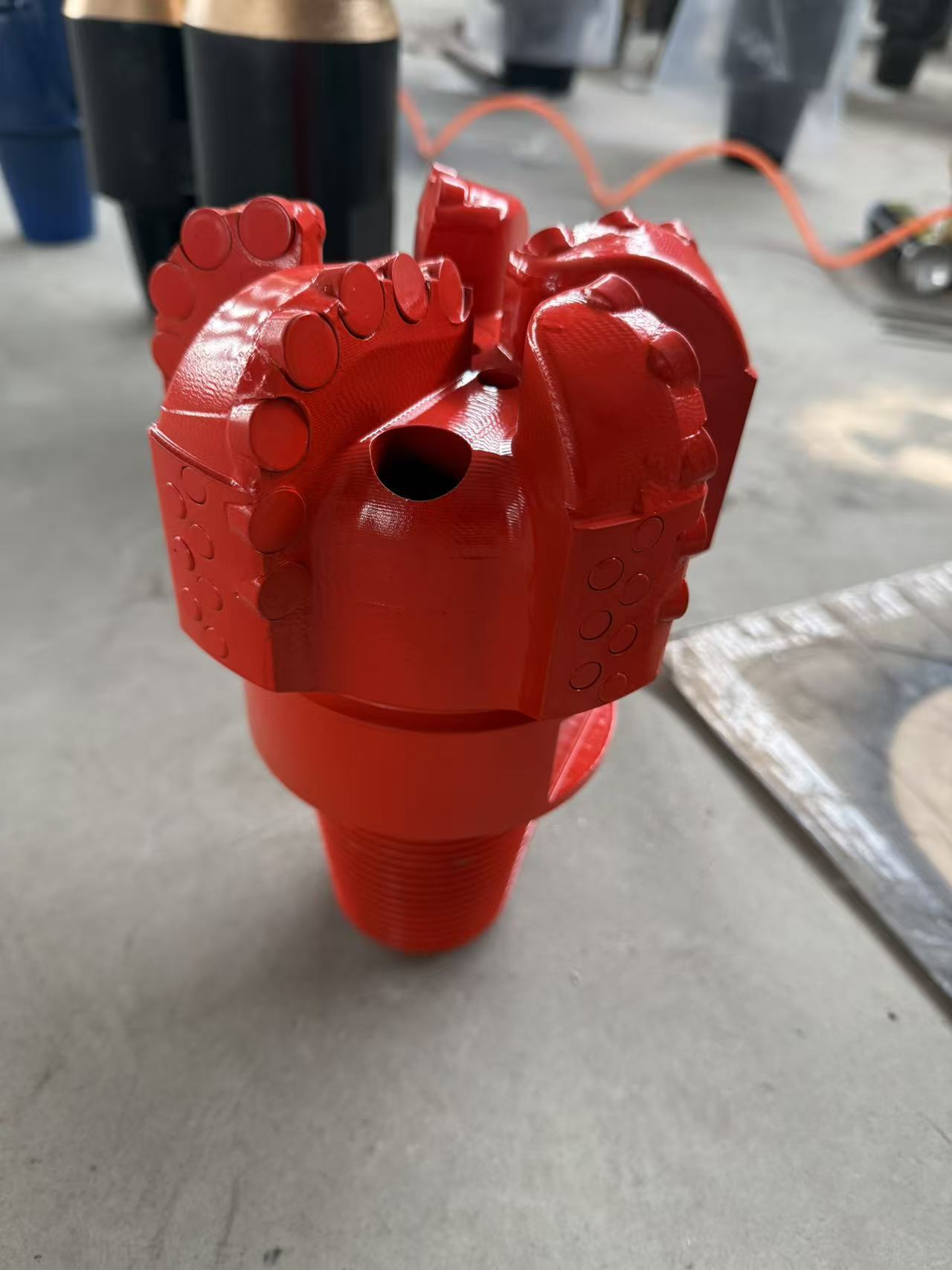
PDC drill bit prices vary significantly based on size, design, and material quality. Standard bits typically range from several hundred to several thousand dollars per unit. Smaller diameter bits with basic blade configurations are at the lower end of the price scale, while larger bits with advanced cutter layout and premium components command higher prices. Matrix body constructions generally cost more upfront than steel body versions due to enhanced wear resistance. Additionally, bits tailored for specialized applications or custom specifications will naturally incur higher costs.
Cost-Per-Foot: Why PDC Bits Offer Long-Term Value
Though PDC drill bits may have a higher initial price compared to traditional tricone or roller cone bits, their superior durability and rate of penetration drastically reduce overall drilling costs. The cost-per-foot drilled is often 2 to 4 times lower with a PDC bit, thanks to longer run times and fewer tripping events. This improved efficiency leads to less downtime, reduced rig expenses, and faster project completion. Therefore, PDC drill bit pricing should be evaluated alongside total operational savings to appreciate the true value they deliver over the life of a drilling program.
Key Factors Influencing PDC Drill Bit Cost
Bit Size, Diameter, and Wing Count
The size and diameter of a PDC drill bit directly impact its price. Larger diameters require more materials and larger diamond cutter coverage, driving up costs. The wing count—whether 3, 4, 5, or multi-wing configurations—also affects pricing. More blades typically mean better cutting efficiency but come with higher manufacturing costs. Choosing the right combination balances upfront investment with drilling performance.
PDC Cutter Grade and Quality
The quality of PDC cutters plays a crucial role in bit pricing. Standard-grade cutters are more economical but suited mainly for softer formations. Premium or heavy-duty cutters designed for hard and abrasive formations come with increased costs but offer greater durability and longer run times. Investing in superior cutter grades can reduce overall drilling expenses by minimizing downtime and bit replacements.
Bit Body Material: Steel vs. Matrix Body
Bit body construction is a key cost driver. Steel body PDC bits often come at a lower initial price and offer the advantage of being repairable and rebuildable, extending their lifecycle. In contrast, matrix body bits carry a higher upfront cost due to their enhanced wear and erosion resistance, leading to longer life under tough drilling conditions. Selecting between steel and matrix body depends on formation hardness and project budget.
Customization and Manufacturing Technology
Custom PDC bits tailored for specific jobs or advanced drilling techniques tend to cost more than standard models. Specialized designs, unique cutter layouts, or proprietary manufacturing processes add complexity and price. However, these custom bits can optimize drilling efficiency and reduce operational costs in the long run. Modern manufacturing technologies also influence pricing by improving cutter placement accuracy and bit durability.
For reliable options and to explore varying steel body PDC bit designs, check out our standard steel body PDC drill bits and overlay welded steel body PDC bits that balance cost with performance.
PDC Drill Bit Price Breakdown by Type and Specification
Steel Body vs. Matrix Body PDC Bits
The difference between steel body and matrix body PDC bits significantly impacts price and performance. Steel body bits typically come at a lower upfront cost. They are durable and can be rebuilt or repaired, making them a preferred choice for customers seeking cost-efficiency over multiple uses. In contrast, matrix body PDC bits carry a higher initial price due to their solid composite construction, which offers superior wear resistance and erosion protection. This makes matrix body bits ideal for long, challenging runs where reduced downtime and extended bit life translate into lower overall drilling costs. The price gap reflects this value tradeoff, with matrix bits generally favored in demanding oilfield and mining environments. For deeper insights into the importance of materials and manufacturing technology behind premium PDC bits, consult resources like our detailed guide on the materials science behind premium PDC bits.
Multi-Wing Concave and Flat Top PDC Bits
PDC bits also vary by blade design, affecting cost and application. Multi-wing PDC bits with concave or flat top cutter arrangements serve different drilling needs. Concave wing bits excel in formations requiring aggressive penetration rates and enhanced cuttings evacuation, which may add to bit price due to their advanced cutter placement. Flat top multi-wing bits prioritize durability and longer wear, particularly in abrasive or hard rock environments. Each design offers a unique balance of cutter density, blade count, and durability, influencing price based on intended use and formation hardness. Bulk and custom manufacturing processes can adjust pricing accordingly.
PDC Core Bits and Non-Coring Bits
Coring bits with PDC cutters are specialized tools designed for core sample extraction, generally commanding higher prices than non-coring bits due to their precision engineering and specialized cutter arrangements. Non-coring PDC bits focus on maximizing rate of penetration and efficiency, often at a lower cost compared to coring bits. The complexity of core bit design and the necessity for tight tolerances increase manufacturing time and expense. Choosing between coring and non-coring PDC bits depends on project objectives, and the price reflects this purpose-driven engineering.
This clear breakdown of PDC drill bit types by body material, blade design, and functional specification helps buyers understand pricing nuances tied directly to bit construction and application. For a comprehensive look at various product options, see our extensive catalog including steel body, matrix body, and directional bits tailored for different drilling conditions.
Pricing Across Different Drilling Applications
Oil and Gas Exploration
PDC drill bits designed for oil and gas exploration are typically built to withstand harsh, abrasive formations and high temperatures. These bits often feature premium cutter grades and matrix bodies for extended durability and faster penetration rates. Because of these advanced specs and the critical nature of oilfield drilling, prices are usually at the higher end of the range. Despite the upfront cost, the improved rate of penetration and longer bit life translate to significant cost savings over time by reducing rig hours.
Horizontal Directional Drilling (HDD)
HDD applications demand PDC bits tailored for directional control and smooth boreholes through varied soil and rock conditions. HDD PDC bits often have specialized blade designs and cutter configurations that allow for precise steering and optimal cutting performance. These bits generally fall in a moderate price range, balancing cost with operational efficiency. The ability to drill complex paths reduces the overall project time, offsetting initial bit investment.
Water Well Drilling and Mining
Water well and mining drilling applications often require PDC bits capable of handling softer to medium formations but with ruggedness to resist wear from rock fragments. Steel body PDC bits may be common here due to their lower initial cost and repairability. The price point for these bits tends to be more affordable compared to oil and gas or HDD bits but varies depending on size and cutter quality. The choice hinges on balancing upfront cost against durability and the drilling conditions encountered.
| Application | Typical Bit Features | Price Range | Key Considerations |
|---|---|---|---|
| Oil and Gas Exploration | Matrix body, premium cutters | Higher | Durability, rate of penetration |
| Horizontal Directional Drilling (HDD) | Specialized blade design, controlled cutting | Moderate | Directional accuracy, efficiency |
| Water Well & Mining | Steel body options, rugged design | Lower to moderate | Repairability, formation softness |
For drilling projects requiring precision and durability, sourcing directly from experienced bit manufacturers ensures access to the latest PDC bits suited to each application’s demands.
Cost Comparison: PDC Bits vs. Alternatives
PDC Drill Bits vs. Tricone Bits
PDC drill bits typically have a higher upfront price than tricone bits, but their longer life and faster rate of penetration deliver better overall value. PDC bits reduce rig time and trip frequency, which lowers operational costs per foot drilled. Tricone bits cost less initially but wear out more quickly and require more frequent replacement, increasing downtime. For hard, abrasive formations, PDC bits outperform tricones by maintaining consistent drilling speeds, providing a lower total cost despite the higher initial investment. This balance benefits drilling operations focused on efficiency and total cost management.
New PDC Bits vs. Rebuilt and Rerun Bits
New PDC bits command a premium price because they deliver peak performance and durability. Rebuilt bits reduce upfront expenses by refurbishing worn cutters and bodies, but may have reduced life expectancy and slightly lower drilling efficiency. Reusing bits is an option when budgets are tight or for less demanding drilling conditions; however, operators might experience higher overall cost per foot. Evaluating drilling requirements helps decide when new bits justify their added cost versus cost savings from rebuilt options.
Wholesale vs. Retail Pricing Models
Buying PDC drill bits wholesale typically offers significant discounts compared to retail pricing. Bulk orders and factory-direct sourcing reduce margins and handling fees, enabling better per-unit pricing. Retail purchases are convenient but usually priced higher due to distribution costs and smaller order volumes. For drilling contractors and procurement managers, leveraging wholesale pricing through established suppliers or factory channels can improve budget control and ensure timely supply. Factory direct options often provide customized alloys and cutter configurations tailored to specific applications, enhancing value beyond cost savings. Detailed product selections such as high-performance PDC trenchless hole reamers highlight how factory relationships improve access to advanced bit designs at competitive prices.
How to Get the Best Value when Buying PDC Drill Bits
Sourcing Directly from Factory Manufacturers
Buying PDC drill bits straight from factory manufacturers ensures you get the most competitive prices by cutting out middlemen. Factory-direct sourcing often means access to the latest manufacturing technology, consistent quality control, and customized options tailored to your drilling needs. This approach also provides a clear line of communication for technical support and timely delivery, which is crucial for project planning and budgeting.
Leveraging Bulk Orders and Wholesale Pricing
Ordering PDC bits in bulk significantly lowers the cost per unit due to wholesale discounts. For companies with ongoing drilling operations, placing larger orders reduces logistical costs and often unlocks special pricing tiers. Many manufacturers offer attractive terms for consistent wholesale customers, including prioritized production and flexible payment plans. This makes bulk purchasing a smart strategy to reduce overall drilling expenses without compromising bit quality.
Matching Bit Specifications to Job Site Requirements
Selecting the right PDC drill bit requires matching the bit’s specifications to your specific formation and drilling rig capabilities. Factors like bit size, cutter grade, blade design, and body material impact both upfront cost and total drilling efficiency. Using an optimal bit reduces wear and improves penetration rates, delivering better cost per foot drilled. Carefully evaluating job site conditions against bit features prevents overspending on unnecessarily high-end bits or underperforming cheaper options. For guidance on choosing suitable bits and maintenance, consider resources such as the maintenance page for long-term performance optimization.
Frequently Asked Questions About PDC Drill Bit Pricing
How much does a standard PDC drill bit cost?
The price of a standard PDC drill bit depends largely on size, cutter quality, and body material. Typically, entry-level steel body bits start at a lower price point, while premium matrix body bits with heavy-duty cutters command a higher upfront cost. Prices generally range from several hundred dollars to over a few thousand, depending on these specifications.
What factor affects PDC drill bit price the most?
The key factor influencing PDC drill bit pricing is the bit body material—matrix body bits cost more initially due to superior wear resistance and reduced erosion, resulting in longer service life. Cutter grade and density also significantly impact price, as premium diamond cutters designed for abrasive formations raise the total cost.
Are PDC drill bits more expensive than tricone bits?
On a per-unit basis, PDC drill bits usually have a higher initial price than tricone bits. However, PDC bits deliver a much faster rate of penetration and longer hours in-hole, ultimately lowering cost per foot drilled. This makes PDC bits more cost-effective over the life of a drilling project.
How long do PDC drill bits last compared to their price?
PDC drill bits offer extended durability due to their cutter design and bit construction. While the upfront price is higher than some alternatives, PDC bits often last 2–4 times longer with fewer trips required to replace bits. This longevity and improved drilling speed provide strong return on investment despite the initial outlay.
Related Sources
- https://jpt.spe.org/twa/drilling-optimization-essential-role-drill-bit-
- https://drillingcontractor.org/performance-drilling-definition-benchmarking-performance-qualifiers-efficiency-and-value-1977
- https://jpt.spe.org/twa/drilling-optimization-essential-role-drill-bit-selection
- https://knowledge.welongoiltools.com/pdc
- https://jpt.spe.org/twa/drilling